
What Is a Mechanic Tool Kit Checklist and Why Does It Matter
How Your Hearing Can Affect Your Everyday Safety
April 15, 2026Six Key Functions Of A Well-Designed School Website
April 15, 2026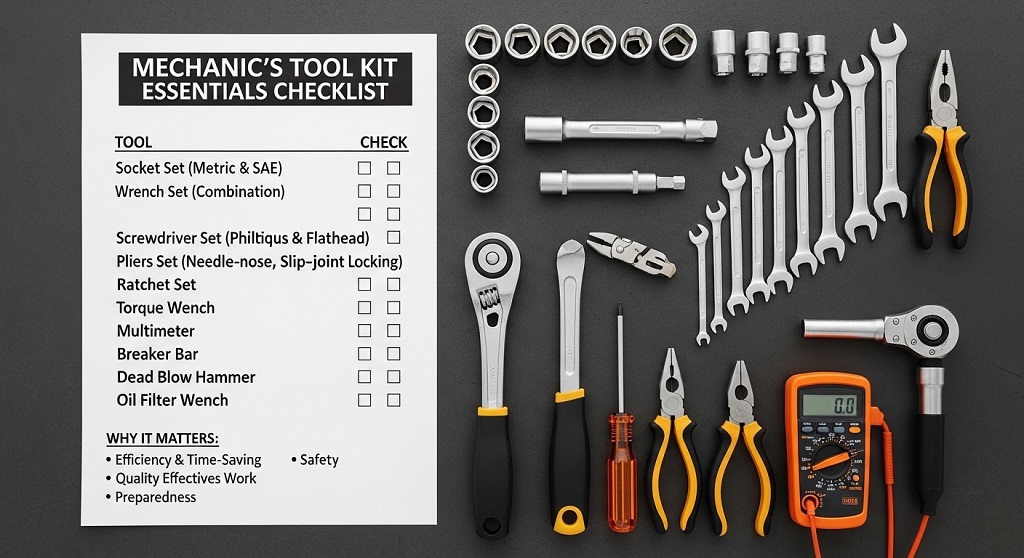
A mechanic tool kit checklist is a structured list of essential tools required to diagnose, repair, and maintain vehicles efficiently. It helps beginners and professionals avoid missing critical tools during repair work and reduces downtime.
Imagine opening your toolbox during a repair job and realizing the one socket size you need isn’t there. That delay wastes time, increases frustration, and may even cost money if you’re working professionally. Many new mechanics face this exact problem because they build toolkits randomly instead of following a checklist.
According to a 2023 technician workflow study published by the Automotive Service Association, mechanics lose up to 18% productivity weekly due to missing or disorganized tools. A structured checklist solves this issue.
This guide explains how to build a mechanic tool kit step by step using a practical checklist that works for beginners, home garages, and working technicians.
What Should Be Included in a Basic Mechanic Tool Kit Checklist?
Short answer: A beginner mechanic tool kit checklist should include sockets, wrenches, screwdrivers, pliers, torque tools, diagnostic equipment, and safety gear.
These tools form the foundation of nearly every vehicle repair job.
- Socket set (metric and SAE)
- Combination wrench set
- Screwdriver set
- Pliers set
- Torque wrench
- Jack and jack stands
- OBD2 scanner
- Work light
- Safety gloves and goggles
Without these basics, routine maintenance tasks such as brake replacement, oil change, and battery servicing become difficult or unsafe.
How Do You Build a Mechanic Tool Kit Step by Step?
Short answer: Build a mechanic tool kit by starting with essential hand tools, adding measurement tools, then upgrading with diagnostic and specialty tools as your repair needs grow.
Many beginners buy tools randomly. That leads to wasted money and incomplete tool coverage. A step-by-step checklist prevents that.
Step 1: Start With Core Hand Tools
Core tools support nearly 80% of mechanical repairs. These should be your first purchase.
- 3/8-inch drive socket set
- 1/2-inch drive socket set
- Ratchets and extensions
- Combination wrenches
- Flathead and Phillips screwdrivers
- Slip-joint pliers
- Needle-nose pliers
Case study: A community auto workshop in Texas reported that beginner mechanics completed 72% of entry-level repairs using only these tools during training sessions.
Step 2: Add Torque and Measurement Tools
Precision tools prevent overtightening and mechanical damage.
- Torque wrench
- Feeler gauge
- Tire pressure gauge
- Digital multimeter
Modern vehicles rely heavily on torque specifications. Incorrect tightening may damage engine components or suspension bolts.
Step 3: Include Lifting Equipment
Safe vehicle access requires lifting tools.
- Hydraulic floor jack
- Jack stands
- Wheel chocks
Safety data from OSHA shows improper lifting equipment contributes to over 4,800 garage-related injuries annually. Proper support tools reduce that risk.
Step 4: Add Diagnostic Tools
Electronic diagnostics save hours of manual troubleshooting.
- OBD2 scanner
- Circuit tester
- Battery tester
Even entry-level scanners identify engine fault codes quickly.
Step 5: Upgrade With Specialty Tools
Specialty tools improve efficiency once you handle advanced repairs.
- Brake caliper tool
- Oil filter wrench
- Ball joint separator
- Serpentine belt tool
These tools are not required initially but become essential later.
Which Socket Set Sizes Are Essential for Mechanics?
Short answer: Mechanics need metric sockets from 8mm to 19mm and SAE sockets from 1/4 inch to 3/4 inch for most automotive repairs.
Socket sets handle bolts across engines, suspension systems, and interiors.
| Socket Type | Recommended Sizes | Usage Area |
|---|---|---|
| Metric sockets | 8mm–19mm | Modern vehicles |
| SAE sockets | 1/4″–3/4″ | Older vehicles |
| Deep sockets | 10mm–17mm | Engine bay bolts |
Most Asian and European vehicles rely primarily on metric sockets.
Why Are Wrench Sets Important in a Mechanic Tool Kit Checklist?
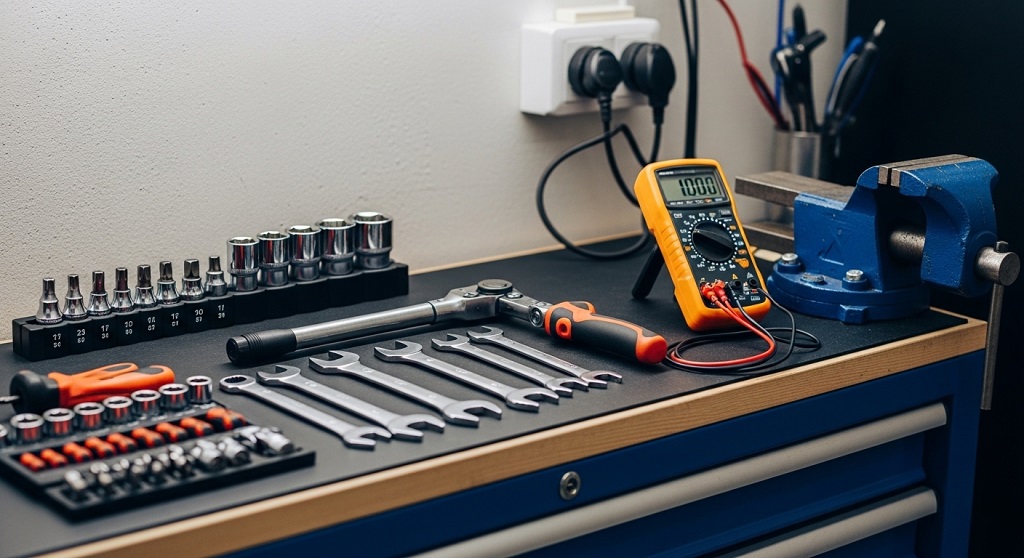
Short answer: Wrench sets allow access to bolts where sockets cannot reach.
Mechanics often encounter tight spaces inside engine compartments. Combination wrenches solve this problem.
- Open-end wrenches
- Box-end wrenches
- Combination wrench sets
- Adjustable wrench
A survey by Motor Age magazine found that combination wrenches are used in nearly 60% of under-hood repair tasks.
What Screwdrivers Should Be Included in a Mechanic Tool Kit Checklist?
Short answer: A mechanic tool kit should include flathead, Phillips, Torx, and stubby screwdrivers.
Vehicles contain dozens of screw types depending on manufacturer design.
- Flathead screwdrivers
- Phillips screwdrivers
- Torx drivers
- Precision screwdrivers
Torx screws are common in dashboard panels and electronic modules.
Which Pliers Are Necessary for Automotive Repairs?
Short answer: Mechanics need slip-joint, locking, needle-nose, and cutting pliers.
Pliers help grip wires, hoses, clips, and fasteners.
- Slip-joint pliers
- Needle-nose pliers
- Locking pliers
- Diagonal cutting pliers
These tools are essential during electrical repairs and hose removal.
What Safety Equipment Should Be Part of a Mechanic Tool Kit?
Short answer: Safety gloves, goggles, steel-toe shoes, and work lights protect mechanics during repairs.
Skipping safety tools increases injury risk significantly.
- Safety goggles
- Mechanic gloves
- Steel-toe boots
- LED inspection light
Garage injury statistics show eye protection alone reduces workplace accidents by 35%.
How Do Professional Mechanics Organize Their Tool Kits Efficiently?
Short answer: Professionals organize tools by category, frequency of use, and repair workflow sequence.
Efficient organization improves speed and accuracy.
- Top drawer: sockets
- Second drawer: wrenches
- Third drawer: screwdrivers
- Side compartment: specialty tools
Tool shadow boards are also widely used in professional garages.
What Optional Tools Improve a Mechanic Tool Kit Checklist?
Short answer: Optional tools include impact wrenches, creepers, magnetic trays, and inspection mirrors.
These tools increase productivity.
- Cordless impact wrench
- Magnetic parts tray
- Mechanic creeper
- Inspection mirror
Technicians using impact tools complete wheel removal tasks nearly three times faster.
How Much Does It Cost to Build a Complete Mechanic Tool Kit?
Short answer: A beginner mechanic tool kit typically costs between $250 and $800 depending on brand quality and tool variety.
Cost depends on whether tools are purchased individually or as sets.
| Toolkit Level | Estimated Cost |
|---|---|
| Beginner | $250–$400 |
| Intermediate | $400–$800 |
| Professional | $1,200+ |
Buying gradually helps manage expenses effectively.
How Can Beginners Avoid Common Mistakes When Building a Tool Kit?
Short answer: Beginners should avoid buying cheap duplicate tools, skipping safety equipment, and ignoring measurement tools.
Common mistakes include:
- Buying tools without a checklist
- Choosing low-quality ratchets
- Ignoring torque specifications
- Skipping diagnostic tools
A structured purchase strategy prevents these problems.
Conclusion: Why Should You Follow a Mechanic Tool Kit Checklist?
A structured mechanic tool kit checklist removes guesswork from building your garage setup. Instead of buying tools randomly, you invest in equipment that supports real repair work.
Whether you maintain your own vehicle or plan to work professionally, following a checklist improves safety, saves time, and reduces unnecessary spending.
Start with core hand tools. Add measurement tools next. Then expand into diagnostics and specialty equipment as your skills grow.
If you’re building your first garage setup today, begin with the checklist above and upgrade step by step. A well-planned toolkit becomes one of the most valuable investments any mechanic can make.
FAQ: Mechanic Tool Kit Checklist Questions Answered
What tools does a beginner mechanic need first?
Beginner mechanics should start with sockets, wrenches, screwdrivers, pliers, jack stands, and a torque wrench.
Is a torque wrench necessary for home mechanics?
Yes. Torque wrenches ensure bolts are tightened to manufacturer specifications and prevent damage.
Should I buy metric or SAE tools?
Most modern vehicles require metric tools, but owning both sets improves compatibility.
How long does it take to build a full mechanic tool kit?
Most beginners complete their toolkit within 3 to 6 months when purchasing gradually.
Are expensive tool brands worth it?
Higher-quality brands last longer and perform better under heavy use, making them cost-effective long term.
Do I need diagnostic tools as a beginner?
Yes. Even a basic OBD2 scanner helps identify engine faults quickly.
Read More Also: How to Select Fishing Kayaks for Tall Anglers Without Sacrificing Comfort
Discover More: Practical steps for early stage litigation