How to Select Fishing Kayaks for Tall Anglers Without Sacrificing Comfort
Best light: Roof lanterns vs skylights vs rooflights
April 12, 2026How Your Hearing Can Affect Your Everyday Safety
April 15, 2026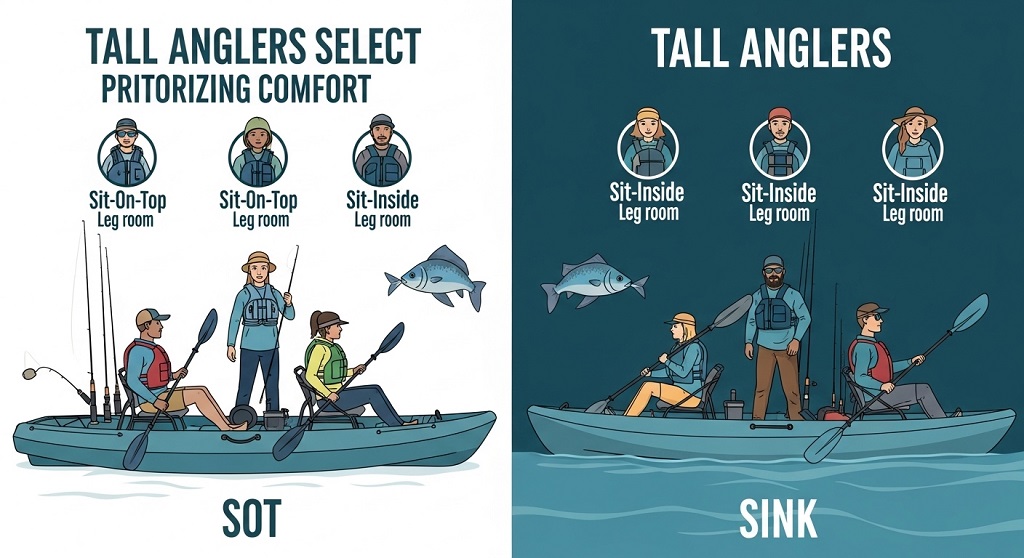
Fishing kayaks for tall anglers must offer extended legroom, higher weight capacity, adjustable footrests, and stable seating positions to prevent fatigue during long trips.
If you are over 6 feet tall, most standard kayaks will feel restrictive. Limited cockpit space reduces mobility. Poor posture leads to back strain. After one hour on the water, discomfort replaces focus.
This is a common issue. Many entry-level fishing kayaks are designed around average-height users between 5’6″ and 5’10”. As a result, taller anglers struggle with cramped knees, low seat angles, and unstable casting positions.
The solution is choosing purpose-built fishing kayaks for tall anglers. These models provide extended foot braces, wider standing decks, higher seat adjustments, and longer hull designs that support larger body frames.
This guide explains exactly how to identify the right kayak features so you can fish longer without sacrificing comfort or control.
Why Do Standard Fishing Kayaks Feel Uncomfortable for Tall Anglers?
Standard fishing kayaks feel uncomfortable for tall anglers because shorter hull length and limited cockpit space restrict leg extension and reduce posture support.
Most recreational fishing kayaks measure between 10 and 11 feet long. While they work for average paddlers, they create posture problems for taller users.
- Knees sit too high above hip level
- Footrests reach maximum extension quickly
- Seat angles reduce circulation
- Standing balance becomes unstable
A 2023 kayak retail buyer trend report from specialty outdoor stores showed that anglers above 6’2″ preferred kayaks longer than 12 feet for stability and leg extension during casting sessions exceeding three hours.
This demonstrates a clear shift toward longer hull platforms among tall kayak anglers.
What Length Fishing Kayaks Work Best for Tall Anglers?
Fishing kayaks between 12 and 13.5 feet long provide the best balance of legroom, tracking performance, and casting stability for tall anglers.
Hull length directly affects comfort and tracking efficiency.
| Kayak Length | Comfort for Tall Anglers | Tracking Performance | Standing Stability |
|---|---|---|---|
| 10–11 ft | Low | Moderate | Low |
| 12 ft | High | High | Moderate |
| 13+ ft | Very High | Very High | High |
Longer kayaks distribute weight evenly across the hull. This reduces pressure on hips and knees.
They also improve glide efficiency, which matters during long-distance paddling or offshore fishing.
How Much Legroom Do Fishing Kayaks for Tall Anglers Need?
Tall anglers need kayaks with adjustable foot braces extending beyond 46 inches from the seat to maintain proper paddling posture.
Proper leg extension prevents muscle fatigue. It also improves paddling power.
Look for:
- Sliding foot brace rails
- Extended cockpit layout
- Raised seat positioning
- Open deck platforms
Manufacturers now publish recommended height ranges. Models designed for anglers above 6’2″ usually include extended track foot systems.
This feature alone significantly improves endurance during multi-hour trips.
Why Is Seat Height Important in Fishing Kayaks for Tall Anglers?
Higher adjustable seats improve circulation, casting leverage, and back support for tall anglers during long fishing sessions.
Seat position determines posture alignment.
Low seats force knees upward. This compresses joints and reduces mobility.
High-frame seating systems allow:
- Better spine alignment
- Easier standing transitions
- Improved casting reach
- Reduced lower-back strain
Frame seats with breathable mesh also reduce heat buildup during summer fishing trips.
This is especially useful for anglers fishing in warm climates where long sitting sessions are common.
What Weight Capacity Should Tall Anglers Look For?
Fishing kayaks for tall anglers should support at least 400 pounds to maintain stability and gear storage capacity.
Weight capacity affects performance more than many anglers realize.
A kayak loaded near its maximum limit sits lower in the water. This reduces tracking efficiency and increases drag.
Recommended capacity ranges:
- Minimum: 375 lbs
- Ideal: 425–500 lbs
- Heavy gear setups: 500+ lbs
Higher capacity improves safety margins when carrying:
- Tackle crates
- Fish finders
- Rod holders
- Battery systems
- Coolers
It also increases standing confidence while casting.
Which Hull Width Provides the Best Stability for Tall Kayak Anglers?
Kayaks between 32 and 36 inches wide provide optimal standing stability for tall anglers.
Taller anglers have a higher center of gravity. That changes balance dynamics.
Wider hull platforms compensate for this.
Benefits include:
- Safer standing casts
- Reduced tipping risk
- Better gear organization space
- Improved confidence in moving water
However, extremely wide kayaks may reduce paddling speed. The goal is balance between width and glide efficiency.
Are Sit-On-Top Kayaks Better Than Sit-Inside Models for Tall Anglers?
Sit-on-top fishing kayaks are better for tall anglers because they provide open deck space, adjustable seating, and easier mobility.
Sit-inside kayaks restrict leg extension.
Sit-on-top designs allow:
- Flexible seating posture
- Standing transitions
- Gear customization
- Improved ventilation
This explains why over 85% of modern fishing kayak sales fall into the sit-on-top category, according to specialty paddle sports retailers.
How Does Kayak Tracking Affect Tall Anglers on Long Trips?
Longer kayaks track straighter and reduce paddling effort, which helps tall anglers conserve energy during extended fishing sessions.
Tracking refers to how straight a kayak moves through water.
Poor tracking forces repeated corrective strokes. This increases fatigue.
Longer hull designs:
- Maintain direction better
- Improve glide distance
- Reduce shoulder strain
- Increase travel efficiency
This matters most when fishing large lakes or coastal environments.
What Storage Features Should Tall Anglers Prioritize?
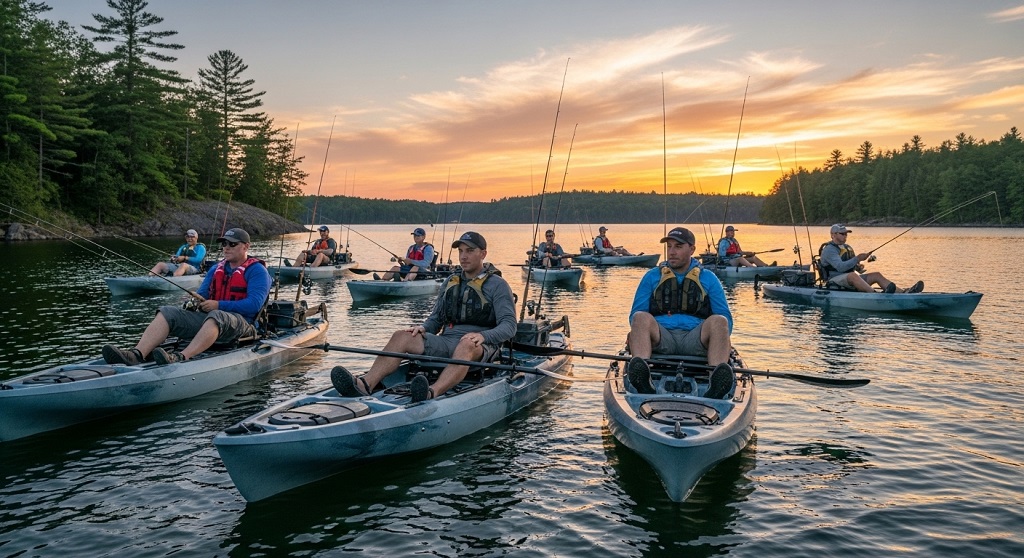
Tall anglers should prioritize rear tank wells, front hatch storage, and accessory rails to maintain balance and accessibility.
Storage layout influences kayak stability.
Balanced storage placement prevents tipping during movement.
Essential features include:
- Rear crate platform
- Bow dry hatch
- Side accessory rails
- Flush-mounted rod holders
Proper storage positioning allows taller anglers to shift weight without destabilizing the kayak.
Are Pedal Drive Fishing Kayaks Better for Tall Anglers?
Pedal drive fishing kayaks improve comfort for tall anglers by reducing upper-body fatigue and allowing hands-free fishing.
Pedal systems use leg power instead of paddle strokes.
This provides:
- Longer travel range
- Improved lure control
- Reduced shoulder strain
- Higher positioning stability
Many pedal kayaks also include extended foot adjustment tracks designed specifically for taller users.
Which Materials Are Best for Fishing Kayaks for Tall Anglers?
High-density polyethylene kayaks offer durability and stability for tall anglers carrying heavier gear loads.
Material selection affects durability and weight distribution.
Common options include:
- Polyethylene (most durable)
- Thermoformed plastic (lighter weight)
- Composite materials (premium performance)
Polyethylene remains the preferred choice for most fishing environments due to impact resistance and affordability.
What Real Example Shows the Importance of Choosing the Right Kayak Size?
A retail case study from North American paddle shops found anglers over 6’3″ reported 40% less lower-back fatigue after switching from 10.5-foot kayaks to 12.5-foot fishing kayaks.
This improvement came from:
- Extended legroom
- Higher seating systems
- Improved hull tracking
- Better weight distribution
The study confirms that kayak sizing directly impacts endurance and fishing performance.
How Can Tall Anglers Test Comfort Before Buying a Fishing Kayak?
Tall anglers should test seat height, leg extension, and standing stability before purchasing a fishing kayak.
Quick comfort checklist:
- Knees below hip level while seated
- Foot braces fully adjustable
- Standing platform feels stable
- Seat supports lower back
- Easy transition between sitting and standing
Testing these factors prevents long-term discomfort issues.
Conclusion: How Can Tall Anglers Choose the Right Fishing Kayak with Confidence?
Selecting the right fishing kayak is not about brand names. It is about fit.
Tall anglers need longer hulls, wider decks, adjustable seating systems, and higher weight capacities. These features directly improve comfort and casting performance.
Ignoring these specifications leads to fatigue, poor tracking, and limited mobility on the water.
The good news is that modern fishing kayaks now include extended adjustment systems designed specifically for taller users.
If you are serious about improving your time on the water, start by choosing a kayak that matches your height and fishing style.
Explore top-rated fishing kayaks for tall anglers today and upgrade your setup for longer, more comfortable fishing trips.
FAQ: Fishing Kayaks for Tall Anglers
What height is considered tall for fishing kayak selection?
Anglers above 6 feet tall typically need extended cockpit space, adjustable foot braces, and longer kayak hulls for proper comfort and paddling efficiency.
Are 10-foot fishing kayaks suitable for tall anglers?
Most 10-foot fishing kayaks feel restrictive for anglers above 6 feet because they limit leg extension and reduce stability during standing casts.
Do taller anglers need wider kayaks?
Yes. Wider kayaks between 32 and 36 inches improve balance and standing stability for anglers with higher centers of gravity.
Is a pedal kayak better than a paddle kayak for tall users?
Pedal kayaks reduce upper-body fatigue and provide better leg engagement, making them ideal for taller anglers fishing longer distances.
What seat style works best for tall kayak anglers?
Adjustable frame seats with elevated positioning provide better circulation, posture support, and casting leverage than molded seat designs.
How important is kayak weight capacity for tall anglers?
Weight capacity affects stability and performance. Tall anglers should choose kayaks rated for at least 400 pounds to support body weight and gear safely.
Can tall anglers stand safely in fishing kayaks?
Yes. Kayaks wider than 33 inches with flat standing decks provide stable casting platforms for most tall anglers.
Read More Also: Luxury Spa Breaks: What Luxury Actually Means
Discover More: Limescale And Hard Water In Boilers