Dog Seat Belt vs Dog Car Harness: Which Is Safer?
Why is my Electric Bill so High?
May 29, 2026
7 Features Every Great Pair of Fishing Shoes Should Have
June 4, 2026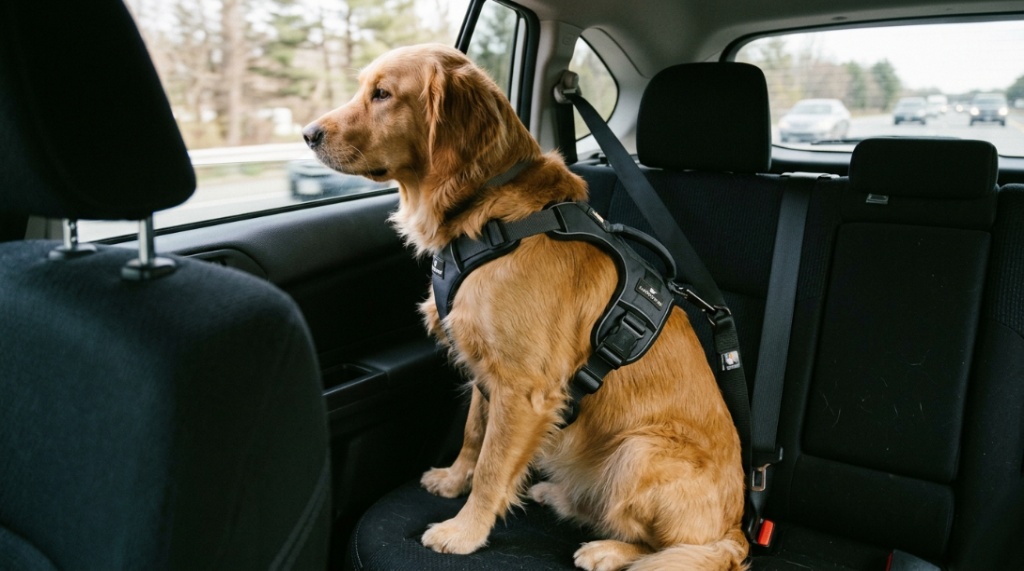
Most dog owners don’t realize that a standard dog seat belt clipped to a collar can snap a dog’s neck in a 30 mph crash — the same force that deploys a human airbag. When it comes to the dog seat belt vs dog car harness debate, the answer matters far more than most pet owners think: a crash-tested dog car harness anchored to a vehicle’s LATCH system is significantly safer than a basic seat belt clip attached to a collar or even a body harness not rated for impact. Yet millions of dogs ride unrestrained or under-protected every day. In the U.S. alone, an estimated 23 million dogs travel in cars weekly, and the Center for Pet Safety found that most dog restraints on the market — including popular harness styles — failed independent crash testing at speeds as low as 30 mph. Choosing the wrong product isn’t just a minor oversight. In an accident, an unrestrained 60-pound dog becomes a 2,700-pound projectile. This guide breaks down the real differences, the crash-test data, and exactly what to buy to keep your dog safe.
What Is a Dog Seat Belt, and How Does It Work?
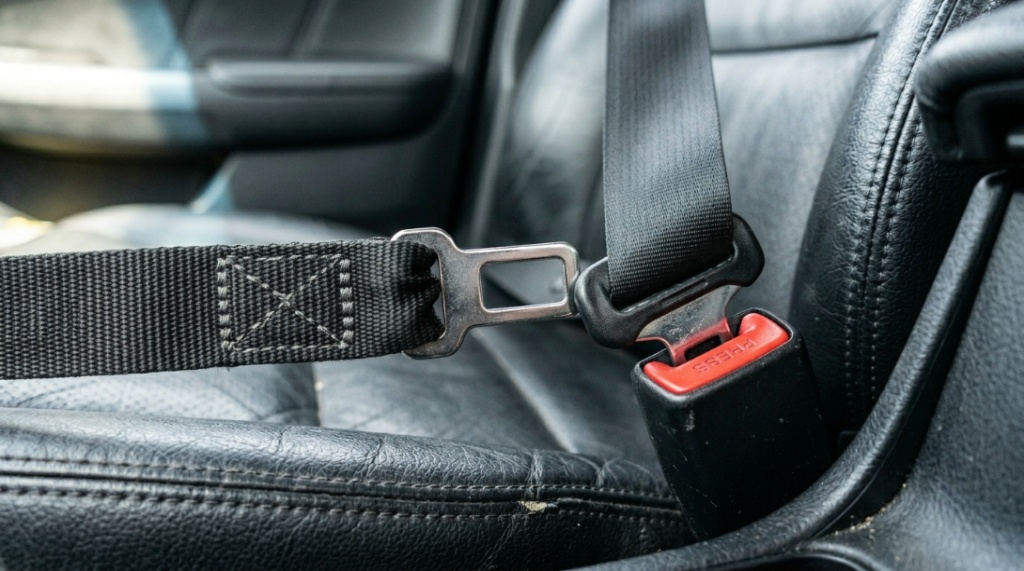
A dog seat belt is a short tether — typically a loop or clip — that attaches your dog’s collar or harness to the vehicle’s existing seat belt buckle or anchor point. It restricts movement during a ride but does not distribute crash forces across the dog’s body.
Dog seat belts are often sold as the simplest solution for car travel with pets. You clip one end into the car’s seat belt buckle and attach the other to your dog’s collar or back clip. They’re inexpensive — usually $10 to $25 — and easy to use. The problem is physics. In a collision, all the force transfers through the single connection point. If that connection is a collar, the leash-style pull can cause neck trauma, tracheal damage, or spinal injury. Even when connected to a body harness back clip, most seat belt tethers have no energy-absorbing material and no crash rating.
- Typically 10–24 inches long
- Connects to seat belt buckle slot or seat belt latch
- Offers minimal movement restriction
- No crash-test rating in most commercial products
- Not approved by the Center for Pet Safety unless independently tested
What Is a Dog Car Harness, and Is It Different From a Regular Harness?
A dog car harness is a body-wrapping restraint system specifically engineered to distribute crash forces across a dog’s chest, shoulders, and torso — unlike a standard walking harness, which is built only for leash control.
This is where the terminology gets confusing. Many pet owners use the phrase “dog car harness” to describe any harness used in the car, but not all harnesses are created equal. A standard no-pull or front-clip walking harness has thin straps, minimal padding, and no crash-rated webbing. It will fail in a collision.
A true crash-tested dog car harness — like those from Sleepypod, Kurgo, or the Ruffwear Load Up — uses wide, padded straps with reinforced stitching, connects to the vehicle’s LATCH system or rear seat belt anchor, and has passed third-party testing under standards similar to those used for child car seats.
Key structural differences between a walking harness and a car harness:
| Feature | Walking Harness | Crash-Tested Car Harness |
|---|---|---|
| Strap width | Narrow (¾”–1″) | Wide (1.5″–2″+) |
| Webbing strength | Standard nylon | Reinforced, rated webbing |
| Connection point | Back or front clip for leash | Rear anchor to LATCH or seat belt |
| Crash-test rating | None | Yes (CPS, MGA/Dynamometer testing) |
| Force distribution | Single point (collar or strap) | Spreads across chest and shoulders |
| Average cost | $15–$40 | $60–$120 |
Dog Seat Belt vs Dog Car Harness: Which Is Actually Safer?
A crash-tested dog car harness is significantly safer than a seat belt clip — but only if it has passed independent crash testing. A seat belt tether alone, especially connected to a collar, offers very little real-world protection.
The Center for Pet Safety (CPS), a nonprofit that conducts independent pet product safety testing, ran a landmark study in 2013 and updated its findings in subsequent years. Of the dog restraints tested, only the Sleepypod Clickit Sport earned a passing grade. Most others — including harnesses that were heavily marketed as “car safe” — failed catastrophically at 30 mph. Straps broke. Hardware snapped. Dogs in crash test simulations were projected forward into the back of front seats.
What this means practically: a $15 seat belt clip gives you the feeling of safety without the substance of it. A crash-tested harness costs more, but it’s the only option with evidence behind it.
If you’re based in New Jersey and want a curated list of top-rated options, this guide to the best dog seat belts and car harnesses in New Jersey covers crash-tested picks and local pet travel laws worth knowing.
Can You Use a Regular Dog Harness as a Car Harness?
No. A regular walking harness should not be used as a car harness. It lacks the structural integrity to withstand crash forces and may break apart, leaving your dog unrestrained at the moment of impact.
This is one of the most common — and dangerous — misconceptions in pet travel safety. A harness that works beautifully for morning walks is not designed to absorb sudden deceleration forces. Even premium walking harnesses from trusted brands have not been crash-tested. Connecting them to a seat belt tether creates a false sense of security.
The only exception would be if the manufacturer explicitly states the harness has been crash-tested and provides the testing standard used (such as FMVSS 213 protocols adapted for pets, or MGA Research Corporation dynamometer testing).
What Do Vets Say About Dog Car Restraints?
Veterinarians overwhelmingly recommend using a crash-tested car harness or a secured travel crate over a basic seat belt clip, citing spinal and tracheal injury risks in collisions.
The American Veterinary Medical Association (AVMA) advises that dogs should never travel unrestrained in a vehicle. While the AVMA stops short of endorsing specific products, the clinical consensus is that restraint systems must protect against projectile motion and prevent the dog from interfering with the driver — both functions that a seat belt clip handles poorly compared to a well-fitted car harness.
Veterinary orthopedic specialists note that high-impact trauma is one of the leading causes of spinal cord injury in dogs. A collar-attached tether in a crash is mechanically similar to a sudden, violent leash correction — multiplied by the weight and speed involved.
Are There Laws About Dog Seat Belts or Car Harnesses?
Several U.S. states have laws or proposed legislation requiring dogs to be restrained in moving vehicles, with New Jersey being one of the strictest — fining drivers up to $1,000 for traveling with an unrestrained pet.
New Jersey’s animal cruelty statute (N.J.S.A. 4:22-17) has been interpreted to cover improper pet transport. Distracted driving laws in multiple states can also apply if an unrestrained dog interferes with the driver. Hawaii, Rhode Island, and Arizona have introduced or passed additional pet restraint bills. Even in states without specific laws, an accident involving an unrestrained dog can affect insurance claims and liability determinations.
States with notable pet travel restraint rules (as of 2024–2025):
- New Jersey — fines up to $1,000 for unrestrained pets in vehicles
- Hawaii — prohibits dogs in laps of drivers
- Rhode Island — proposed mandatory restraint legislation
- Maine — restricts dogs in open truck beds
- Connecticut — distracted driving laws apply to pet interference
What Features Should You Look for in a Dog Car Harness?
Look for a crash-test certification, wide padded straps, a rear tether attachment point, and compatibility with your vehicle’s LATCH or seat belt system.
Not all harnesses advertised as “car safe” have been independently tested. Here’s what to verify before purchasing:
- Crash-test documentation — Ask for the test standard, testing body, and speed rating. Generic “tested” claims without specifics are marketing, not safety.
- Strap width and padding — Wider straps distribute impact force. Thin straps concentrate it.
- Vehicle anchor compatibility — The best harnesses attach to LATCH anchors (the same used for child car seats) for maximum stability.
- Proper sizing — A harness that doesn’t fit correctly won’t protect correctly. Measure your dog’s girth and weight before buying.
- Dual-function use — Some crash-tested harnesses (like the Sleepypod Clickit) can also be used for walks, which adds value.
Is a Dog Travel Crate Safer Than a Dog Car Harness?
A properly secured, crash-tested travel crate can be equally or more protective than a harness for larger dogs, particularly when anchored to the vehicle frame — but an unsecured crate is just as dangerous as no restraint at all.
Many professional dog handlers and breeders prefer crates for car travel because they enclose the dog fully, preventing ejection and containing the animal after impact. However, a plastic or wire crate simply placed in the cargo area or back seat will slide, tip, and fail in a collision. Crates must be secured using cargo straps, vehicle anchor points, or integrated crate systems designed for crash retention.
For small to medium dogs, a crash-tested car harness is often more practical. For large or giant breeds, a well-anchored aluminum or high-density polymer travel crate may offer better protection — though options like the Gunner Kennel G1 have actual crash-test certifications worth seeking out.
The Bottom Line: What Should You Actually Use?
The dog seat belt vs dog car harness debate comes down to one clear answer: a crash-tested dog car harness wins every time a basic seat belt clip is the alternative. A seat belt tether connected to a collar is not a safety device — it’s a liability. And a walking harness repurposed for car travel gives you the look of protection without the engineering behind it.
For most dog owners, a certified crash-tested harness — like the Sleepypod Clickit Sport or Kurgo Tru-Fit Enhanced Strength — offers the best balance of safety, practicality, and cost. If you travel frequently or own a large breed, consider pairing a harness with a secured crate for long-distance trips.
Your dog rides with you because they trust you. Make sure the restraint you choose actually earns that trust. If you found this guide helpful, share it with another dog owner before their next road trip — it might matter more than they realize.
Frequently Asked Questions
Can a dog seat belt replace a dog car harness?
No. A dog seat belt clip alone — especially one attached to a collar — does not provide crash protection. It restricts movement but transfers all impact force to a single point. A crash-tested dog car harness distributes force across the dog’s body and is the safer option for vehicle travel.
What is the safest way to transport a dog in a car?
The safest options are a crash-tested dog car harness anchored to the vehicle’s LATCH system or seat belt, or a crash-rated, secured travel crate. An unsecured dog — even one wearing a harness not designed for crashes — is at serious risk of injury in an accident.
Are dog seat belts legal in New Jersey?
New Jersey law requires that animals transported in vehicles be properly restrained. Violations under the state’s animal cruelty statute can result in fines up to $1,000. A crash-tested car harness or secured crate meets the spirit of the law. A loose dog in the cabin does not.
Do dog car harnesses need to be crash-tested?
Yes. Only harnesses that have been independently crash-tested — ideally by organizations like the Center for Pet Safety using dynamometer testing — should be trusted for vehicle safety. Marketing terms like “car safe” or “travel harness” without a specific test citation are not a guarantee of protection.
Can I use my dog’s regular harness in the car?
A standard walking or no-pull harness should not be used as a vehicle restraint. These harnesses are not built to withstand crash forces. They may break apart on impact, leaving your dog unprotected. Only use a harness explicitly crash-tested for vehicle use.
What size dog car harness do I need?
Measure your dog’s chest girth (the widest point behind the front legs) and their weight. Most harness manufacturers provide a size chart. A properly fitting harness should be snug but not restrictive — you should be able to fit two fingers under any strap. An ill-fitting harness, even if crash-tested, will not perform as designed.
Are there dog seat belts that actually work in a crash?
Yes — but only when the “seat belt” refers to a complete crash-tested harness-plus-tether system, not just a short clip-in leash. The Sleepypod Clickit Sport, for example, uses a body harness that attaches via a safety belt loop and has passed third-party crash testing. The clip alone, without a rated harness attached, is not crash-protective.