How to Find the Safest Baby Car Seat Without Overspending
Facts about stainless steel use in kitchens
May 25, 2026Common Problems When Moving House – and How to Deal With Them
May 25, 2026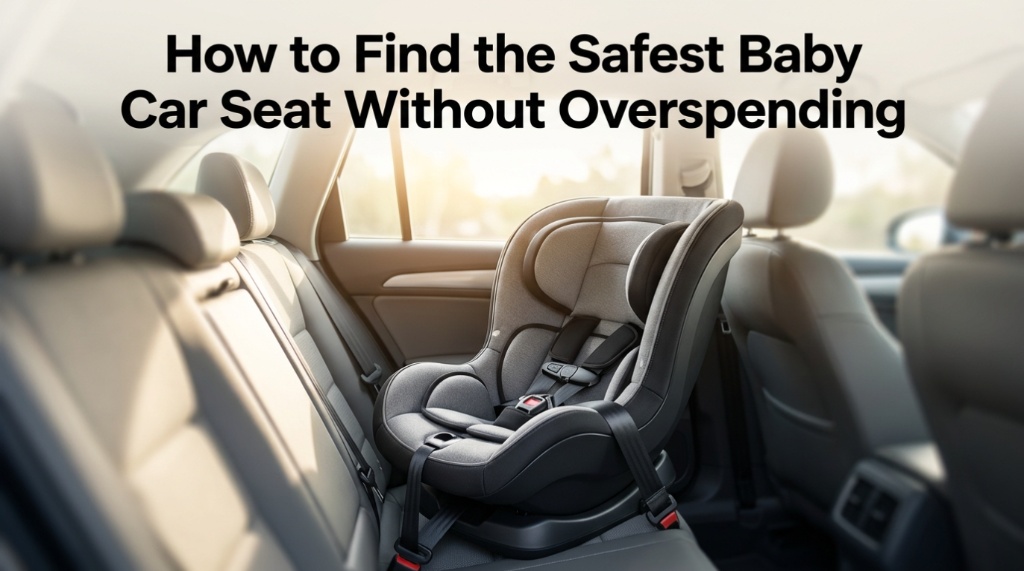
A surprising truth from crash investigations is that some mid-priced car seats perform just as well as premium models costing hundreds more. If your goal is finding the safest baby car seat without overspending, the most important factors are proper fit, verified crash test ratings, certified child protection systems, and correct installation—not the highest price tag. Many parents assume that more expensive automatically means safer, but real-world safety data and federal testing standards tell a different story.
What Is the Safest Baby Car Seat Without Overspending?
The safest baby car seat without overspending is a federally certified seat that provides strong crash protection, fits your child’s age and size correctly, installs securely in your vehicle, and stays within your budget.
Every parent wants maximum protection for their child. Yet baby gear costs continue to rise, making it easy to believe that only premium models offer superior safety. The reality is that all car seats sold legally in the United States must meet strict federal safety requirements. The difference often lies in convenience features, materials, ease of installation, and additional comfort options rather than fundamental crash protection.
Choosing wisely requires understanding crash test ratings, side-impact protection, harness systems, vehicle compatibility, and long-term usability. Parents who focus only on branding may spend far more than necessary while overlooking factors that truly influence safety performance.
Understanding vehicle maintenance and interior conditions can also contribute to safer family travel. For example, keeping seating surfaces clean and intact can improve overall comfort and usability, similar to techniques discussed in restoring vehicle fabric to like-new condition.
Do More Expensive Baby Car Seats Actually Provide Better Safety?
No. Higher prices do not automatically mean better crash protection because all certified car seats must meet the same federal safety standards.
This is one of the biggest misconceptions among parents. Manufacturers cannot sell a child restraint system unless it complies with safety regulations established by the National Highway Traffic Safety Administration (NHTSA).
Premium models often include:
- Premium fabrics
- Machine-washable covers
- Magnetic buckle holders
- Extended weight limits
- Rotating seat functionality
- Additional comfort padding
- Enhanced installation aids
While these features may improve convenience, they do not necessarily translate into dramatically better crash performance.
The safest choice is usually the seat that:
- Fits your child correctly
- Fits your vehicle properly
- Is installed correctly every time
- Allows proper harness positioning
- Meets current safety certifications
Consumer testing organizations frequently find excellent-performing models in moderate price ranges, proving that smart shopping can deliver exceptional value.
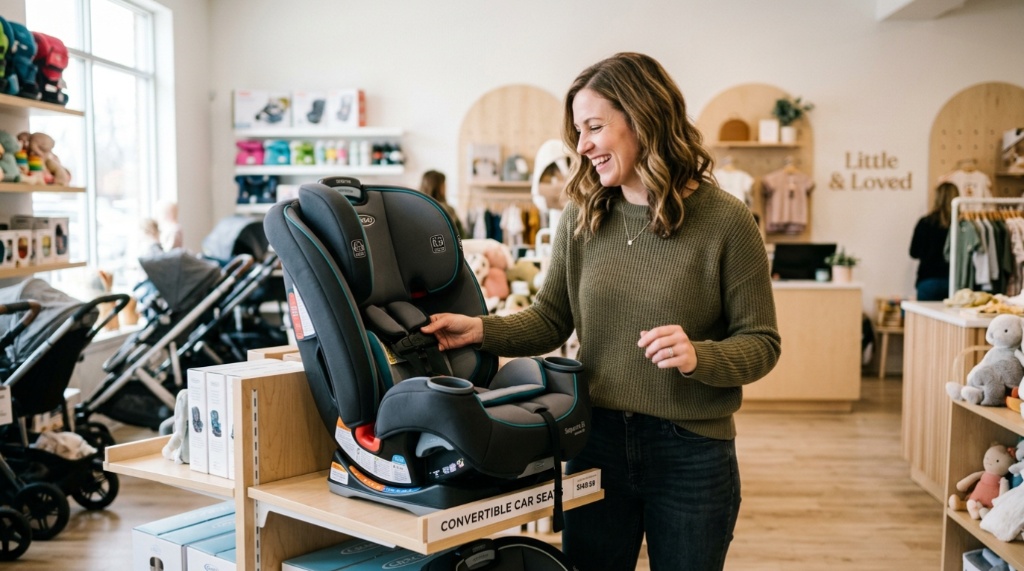
How Important Are Crash Test Ratings When Choosing a Baby Car Seat?
Crash test ratings are among the most important indicators of how a seat performs under controlled impact conditions.
Parents should understand that manufacturers conduct extensive testing before products reach the market. Independent testing organizations and consumer groups often perform additional evaluations to compare performance.
Key crash-related evaluation areas include:
- Frontal impact performance
- Side-impact protection
- Head movement control
- Chest force measurements
- Structural integrity
- Harness retention
- Ease of installation
When reviewing crash test ratings, avoid focusing on a single score. Instead, examine overall performance across multiple safety categories.
Some seats receive excellent crash performance scores but perform poorly in installation simplicity. Since installation errors remain common among parents, a slightly easier-to-install seat may provide better real-world protection.
What do crash test ratings actually measure?
Crash test ratings measure how effectively a car seat protects a child-sized test dummy during simulated collision scenarios while minimizing harmful movement and impact forces.
These evaluations help consumers compare products beyond marketing claims and identify models with consistently strong safety performance.
Which Child Protection Systems Matter Most for Safety?
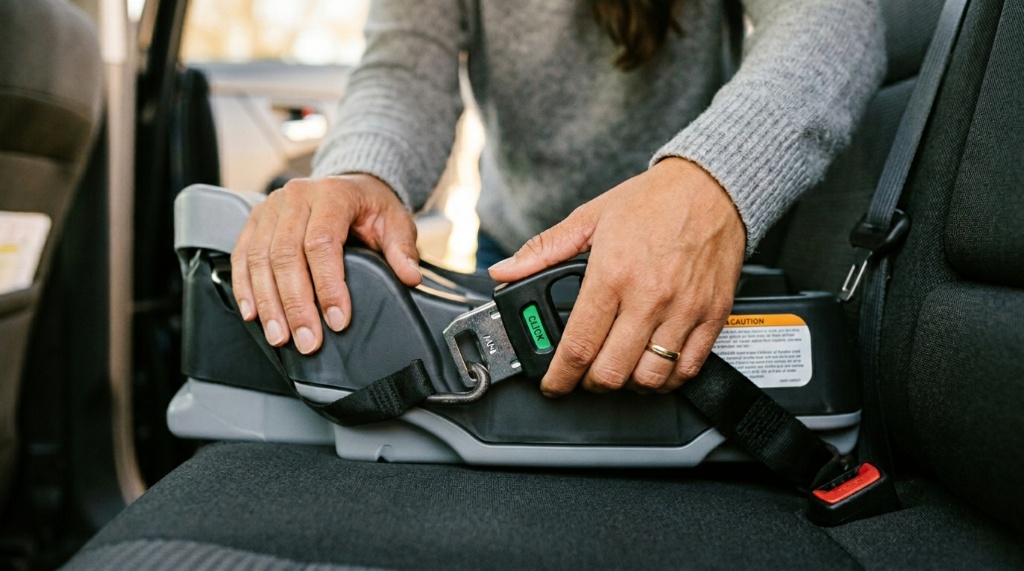
The most important child protection systems include a properly designed harness, side-impact protection, energy-absorbing materials, and secure installation technology.
Modern child protection systems work together to reduce injury risk during a collision. Rather than relying on one feature, manufacturers build multiple layers of protection into each seat.
Important safety systems include:
- Five-point harness systems
- Energy-absorbing foam
- Side-impact protection wings
- Anti-rebound bars
- Load legs
- LATCH connectors
- Reinforced seat shells
- Head protection structures
The five-point harness remains one of the most critical components because it distributes crash forces across stronger parts of a child’s body.
Parents should prioritize properly functioning safety systems over luxury features that have little impact on crash protection.
When evaluating long-term vehicle ownership costs, understanding factors such as acceptable vehicle wear and tear standards can also help families manage transportation expenses while investing appropriately in child safety equipment.
Should Parents Choose Infant Seats or Convertible Car Seats to Save Money?
Convertible car seats often provide better long-term value because they can accommodate children through multiple growth stages.
Parents generally choose between:
- Infant-only seats
- Convertible car seats
- All-in-one car seats
| Seat Type | Typical Use Period | Portability | Long-Term Value |
|---|---|---|---|
| Infant Seat | Birth to 12–18 months | Excellent | Moderate |
| Convertible Seat | Birth to 4+ years | Limited | High |
| All-in-One Seat | Birth to Booster Age | Limited | Very High |
Infant seats offer convenience because they can be removed from the vehicle without disturbing a sleeping baby. However, parents will eventually need another seat.
Convertible models typically cost more upfront but often eliminate the need for an additional purchase later, reducing total ownership costs.
How Can Parents Identify Safe, Budget-Friendly Car Seats?
Parents can identify safe, budget-friendly car seats by focusing on safety certifications, crash performance, installation ease, and fit rather than marketing claims.
Before purchasing, review:
- Federal certification labels
- Independent safety evaluations
- Vehicle compatibility guides
- Weight and height limits
- Harness adjustment mechanisms
- Installation instructions
- Consumer feedback patterns
Look for products that consistently perform well across multiple review sources rather than relying solely on advertising materials.
Many highly rated models are available within moderate price ranges and provide outstanding protection without luxury pricing.
What price range offers the best value?
Many experts consider the mid-range category—roughly $120 to $300—to provide the best balance between safety features, usability, and affordability.
Within this range, parents often gain enhanced child protection systems, easier installation tools, and longer usability without paying premium-brand markups.
What Installation Features Improve Safety the Most?
Easy installation features significantly improve safety because correctly installed seats protect children more effectively during collisions.
Research consistently shows that installation mistakes remain widespread among caregivers.
Helpful installation features include:
- Push-button LATCH connectors
- Level indicators
- Built-in tension systems
- Color-coded belt paths
- Anti-rebound technology
- Clear instruction labels
- Visual installation guides
If a seat is difficult to install correctly, real-world safety performance can suffer despite excellent laboratory crash results.
Many parents benefit from having installation checked by certified Child Passenger Safety Technicians.
Are Used Baby Car Seats Safe to Buy?
Used baby car seats can be safe only when their history, expiration date, condition, and recall status are fully verified.
Unfortunately, many parents cannot confirm:
- Previous crash involvement
- Missing components
- Storage conditions
- Manufacturer recalls
- Expiration status
Most manufacturers assign expiration dates because plastics and safety materials degrade over time.
If any uncertainty exists regarding a seat’s history, purchasing a new budget-friendly model is usually the safer choice.
How do I check for recalls?
Parents should register their car seat after purchase and regularly review manufacturer safety notices and government recalls databases for updates.
Which Common Mistakes Reduce Car Seat Safety?
Improper installation and harness misuse are among the most common mistakes that reduce child protection during crashes.
Common errors include:
- Loose harness straps
- Incorrect recline angle
- Improper chest clip placement
- Loose vehicle attachment
- Using bulky winter clothing
- Advancing to a forward-facing position too early
- Ignoring weight limits
- Skipping instruction manuals
Even the highest-rated car seat cannot perform as intended when installed incorrectly.
Parents should periodically review installation procedures as children grow and seat configurations change.
How Long Should Children Remain Rear-Facing?
Children should remain rear-facing as long as possible within the limits specified by the manufacturer.
Rear-facing positioning provides superior protection for:
- Head
- Neck
- Spine
- Upper body
During frontal collisions, rear-facing seats distribute forces across the entire back of the child rather than concentrating them on vulnerable areas.
Many modern convertible seats support rear-facing use well beyond infancy, allowing parents to maximize protection without purchasing additional equipment.
What Should Parents Prioritize Before Buying?
Parents should prioritize fit, installation quality, crash test ratings, and proven child protection systems before considering premium convenience features.
A practical buying checklist includes:
- Federal certification compliance
- Strong crash performance results
- Appropriate child sizing
- Vehicle compatibility
- Simple installation process
- Reliable harness adjustments
- Reasonable long-term value
- Current recall-free status
Following these priorities helps families maximize protection while avoiding unnecessary spending.
Conclusion: How Can You Get Maximum Safety Without Paying Premium Prices?
The safest baby car seat is not necessarily the most expensive one. Strong crash test ratings, effective child protection systems, proper installation, and correct fit matter far more than luxury materials or premium branding.
Parents who compare safety data carefully, verify certifications, choose age-appropriate designs, and install seats correctly can achieve outstanding protection without overspending. Focusing on real-world safety performance instead of marketing claims often leads to smarter purchasing decisions and better long-term value.
For parents researching state-specific recommendations and safety guidance, this detailed resource on choosing the best baby car seat for Texas families provides additional insights that can help narrow your options.
Before making a purchase, compare multiple models, verify safety certifications, review crash performance information, and ensure compatibility with your vehicle. A thoughtful choice today can provide years of reliable protection for your child.
Frequently Asked Questions
What is the safest type of baby car seat?
The safest type is the seat that fits your child’s size correctly, meets federal safety standards, and is installed properly. Rear-facing seats generally provide the highest level of protection for infants and young children.
Do crash test ratings matter more than price?
Yes. Crash test ratings offer valuable insight into safety performance, while price often reflects convenience features, materials, and branding rather than superior protection.
Can an affordable car seat be as safe as a premium model?
Yes. Many affordable and mid-range models meet the same federal safety requirements as premium seats and perform exceptionally well in independent evaluations.
When should I switch from an infant seat to a convertible seat?
You should switch when your child reaches the manufacturer’s height or weight limit for the infant seat. Always follow the specific limits listed by the manufacturer.
How long does a baby car seat remain usable?
Most car seats have expiration dates ranging from six to ten years after manufacture. Check the label or owner’s manual for exact information.
Is side-impact protection necessary?
Side-impact protection adds a layer of safety by helping reduce forces affecting the head, neck, and torso during side collisions. It is considered a valuable safety feature.
What is the biggest car seat safety mistake parents make?
Improper installation is one of the most common mistakes. Loose installation, incorrect harness adjustment, and incorrect recline angles can significantly reduce safety performance.