How to Choose Affordable Aqua Shoes for Texas
Vauxhall Corsa Steering Column Fault Signs
July 13, 2026Fun Activities to do With the Kids Around Chester
July 20, 2026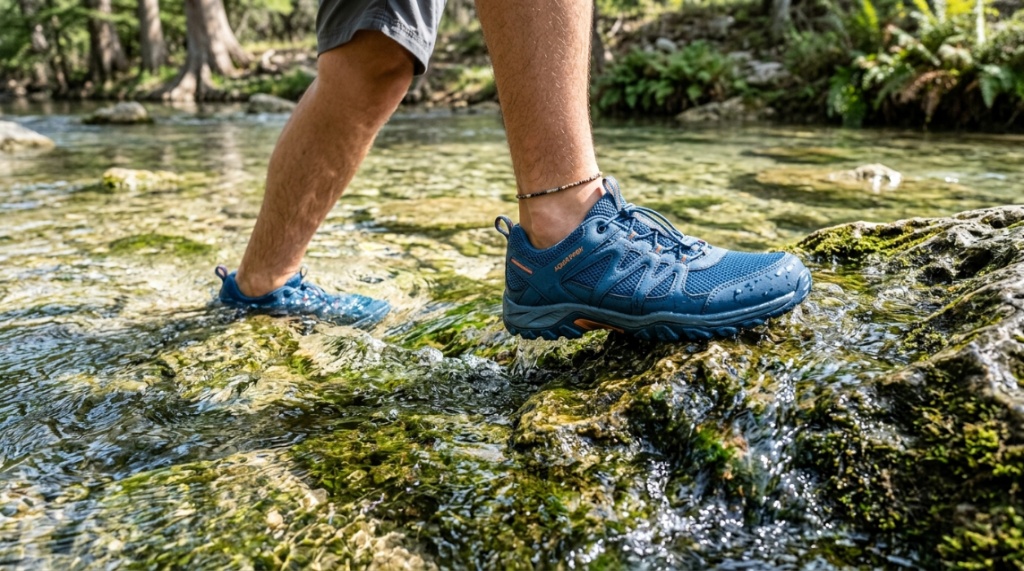
You are standing at the edge of the Guadalupe River. The water looks inviting, but the thought of stepping on a jagged rock or a hidden broken bottle makes you hesitate. You need protective footwear, but you also don’t want to spend a fortune on a pair of shoes that will spend most of their time stuffed in a truck console or a beach bag. Finding affordable aqua shoes Texas that actually hold up to the unique demands of Lone Star waterways is a real challenge. Between the rocky riverbeds of the Hill Country, the hot sand at Mustang Island, and the muddy banks of East Texas lakes, cheap junk won’t cut it. This guide will walk you through exactly what to look for, what to avoid, and how to get the best value for your money without sacrificing safety or comfort.
What Makes Texas Water Conditions Different for Aqua Shoes?
Texas offers a diverse range of aquatic environments, each presenting distinct hazards. A shoe that works perfectly on a sandy beach in Galveston might fail miserably on a limestone riverbed in New Braunfels. Understanding these conditions is the first step to making a smart purchase.
The Challenge of Limestone and Granite Riverbeds
The rivers of Central Texas, such as the Llano and the Frio, are notorious for their sharp, slippery limestone. These rocks can cut through thin neoprene like butter. You need a shoe with a thick, durable rubber outsole and a toe cap that can withstand scraping against rough surfaces. Affordable options often use thinner rubber, so you must check the sole thickness carefully—look for at least 4mm.
Hot Sand and Muddy Banks
On the Gulf Coast, the issue isn’t sharp rocks but scorching sand that can reach 120°F. You need a shoe that offers insulation from heat without trapping water, which can lead to blisters. Conversely, East Texas bayous and lakes feature thick, sticky mud that can suck shoes right off your feet. Quick-draining mesh and a secure heel lock are non-negotiable here.
Boat Decks and Public Piers
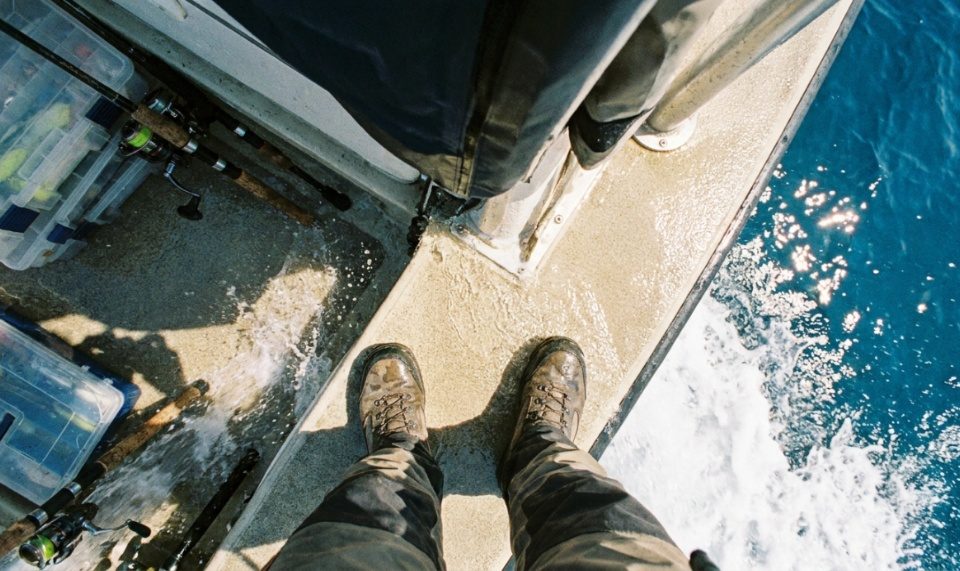
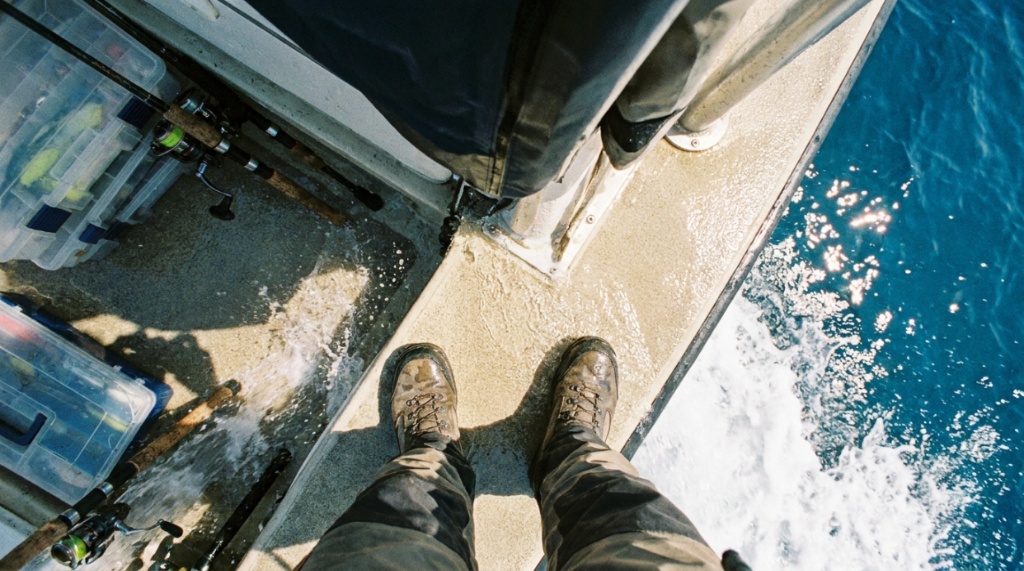
Many Texans fish from boats or public piers. Here, the primary concern is wet-slip resistance on slick fiberglass or painted wood. A non-marking, siped rubber sole (with small slits) provides the best grip. These conditions also require a shoe that drains water instantly to prevent sloshing and instability.
Why Do Some Cheap Aqua Shoes Fail in Texas Waters?
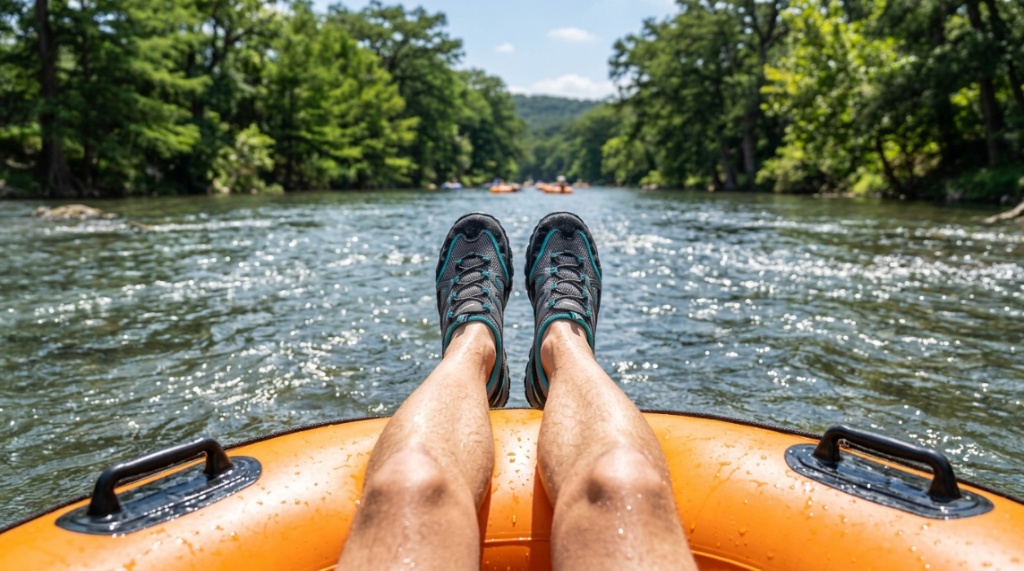
It is tempting to grab the absolute cheapest pair off the shelf. However, low-cost shoes often cut corners in ways that become dangerous or uncomfortable during a full day of fishing or swimming in Texas.
Sole Delamination and Loss of Traction
The biggest failure point of cheap affordable aqua shoes Texas is the glue holding the sole to the upper. In hot Texas summer temperatures (often above 100°F), the adhesive can soften. Combined with constant water immersion, the sole can peel off. You are left barefoot on a sharp rock bed miles from your truck. Always check reviews for comments on sole durability.
Sand Trapping and Foot Rot
Many budget models use thick fabric that acts like a sponge. Once sand gets in, it acts as sandpaper inside the shoe, causing blisters within hours. Furthermore, these non-drying shoes can promote fungal infections. A quality affordable shoe must have a mesh upper that allows water and sand to flush through, not absorb them.
Inadequate Heel and Ankle Support
Wading through moving water puts significant lateral stress on your ankles. Cheap shoes are often flimsy and baggy. This lack of support forces your foot muscles to overcompensate, leading to fatigue and a higher risk of ankle rolls on uneven river rock. A simple elastic drawstring is not enough; look for a structured heel cup.
Which Features Matter Most for Affordable Aqua Shoes?
When shopping on a budget, you cannot afford to waste money on bad designs. You must prioritize the features that directly impact safety and longevity in the Texas environment.
Rubber Outsole Thickness and Pattern
This is your number one priority. The outsole should be at least 3.5mm to 4mm thick. The pattern should be aggressive, with deep lugs spaced widely enough to shed mud. Avoid smooth gum rubber soles, which are a death sentence on wet algae-covered rocks. Look for a “razor-cut” siped pattern for maximum wet grip.
Rapid Drainage and Breathability
Look for shoes with large, open mesh ports. The shoe should drain water within 3-5 seconds of lifting your foot from the water. If the shoe holds water, it will weigh you down and cause blisters. Neoprene socks are good for warmth, but for Texas summer use, mesh is superior.
Secure Closure System
Slip-on aqua shoes are convenient, but they are also the easiest to lose in mud. A lace-up system or a secure bungee cord system, combined with a heel loop, is essential. You should be able to tighten the shoe so that your foot does not slide, even when the shoe is wet and muddy.
Toe Protection
Stubbing your toe on a submerged tree root or a concrete block on a lake floor is painful. A rubber toe cap, even a thin one, provides critical protection. If a shoe does not have a reinforced toe, it is likely too fragile for Texas conditions.
| Feature | Why It Matters in Texas | What to Look For |
|---|---|---|
| Sole Thickness | Sharp limestone and granite | At least 4mm rubber |
| Drainage | Hot weather and humidity | Large open mesh ports |
| Traction | Wet algae on rocks and boat decks | Deep siped lugs |
| Closure | Thick mud and strong currents | Laces or secure bungee with lock |
| Toe Protection | Hidden underwater debris | Hard rubber toe cap |
How Can You Test the Quality of an Aqua Shoe Before Buying?
You cannot always trust the product photos online. Learning how to physically inspect a shoe—or interpret reviews correctly—will save you from buying a dud.
The Bend Test
Pick up the shoe and try to bend the toe toward the heel. A good shoe should bend at the ball of the foot, just like your foot does. If the shoe bends in the middle of the arch, it has poor structural support and will cause foot fatigue. This is a common flaw in very cheap models.
The Water Drain Test
Pour a cup of water into the shoe. Count the seconds it takes for the water to run out of the drainage holes. If it takes longer than 10 seconds, the drainage is poor. In Texas humidity, a slow-drying shoe is a breeding ground for bacteria and odor.
The Twist Test
Hold the shoe at the heel and the toe and twist it. A quality shoe should resist twisting. If it twists easily like a wet rag, it offers zero ankle support. This is a major red flag for wading in unpredictable river currents.
Where Should You Buy Affordable Aqua Shoes in Texas?
You can find these shoes at big box stores, but the selection is often limited. Knowing where to look online and in person is key to finding the best price.
Online Marketplaces vs. Local Retailers
Online retailers like Amazon offer the widest selection and competitive pricing, but you cannot try them on. Local stores like Academy Sports + Outdoors are excellent for trying on different brands to find your fit, especially for wide feet, which is common among people who spend a lot of time on their feet. Once you know your size, you can search online for deals.
Discount and Outlet Stores
Check stores like Ross, Marshalls, and Burlington Coat Factory. They often stock last-season models of major water shoe brands at steep discounts. The quality is often the same as the current year’s model; you just miss out on a color option. This is a great strategy for finding affordable aqua shoes Texas without paying full price.
Specialty Fishing Retailers
While often more expensive, specialty fishing shops (both online and local) carry purpose-built wading shoes. They are not just for swimming but are designed to grip rocks and drain water while carrying a fishing rod. If you fish heavily, these are worth the investment, as they last significantly longer than general-purpose aqua socks.
How Should You Care for Your Aqua Shoes to Make Them Last?
Proper maintenance dramatically extends the life of your shoes, especially in the harsh Texas sun and mineral-rich water. A little care prevents premature cracking and odor.
Rinse Immediately After Salt Water Use
Salt is corrosive. It destroys glue, rots fabric, and stiffens rubber. After any trip to the coast, rinse your shoes thoroughly with fresh water. Do not just spray them off; submerge them and squeeze the water through the mesh to flush out salt crystals.
Dry Them in Shade, Not Direct Sun
The Texas summer sun is brutal. UV rays degrade the rubber and fade the fabric. It also causes the shoes to dry too fast, which can crack the outsole. Stuff your shoes with newspaper and place them in a shaded, breezy area to dry slowly. This prevents the glue from failing.
Remove Odor with Vinegar
Bacteria love the warm, damp environment of a water shoe. To prevent stink, mix a 1:1 solution of white vinegar and water. Spray it inside the shoes after rinsing and before drying. The vinegar kills the bacteria and neutralizes odors without damaging the materials.
Can You Use Water Shoes for Hiking in Texas?
Many people try to dual-purpose their gear. While some aqua shoes can handle light walking, they are generally a poor substitute for hiking shoes on dry Texas trails,Texas rivers are famous for slippery limestone and sharp gravel. Beyond basic water shoes, look at what a quality pair of fishing shoes should have—namely, heavy-duty rubber outsoles and excellent drainage—to see if those heavy-duty features fit your budget.
Lack of Cushioning for Hard Terrain
Aqua shoes are designed with a flat, thin sole for stability on soft, uneven river rock. On hard-packed dirt or rocky trails, this thin sole offers little to no shock absorption. You will feel every sharp pebble underfoot. Using them for a long hike is uncomfortable and can cause plantar fasciitis.
Poor Lateral Support for Dry Trails
When hiking on a sloped trail, your foot rolls outwards. Hiking boots have stiff sidewalls to counter this. Aqua shoes are flexible, which is great for wading but dangerous on a steep, loose gravel trail. Stick to using them for their intended purpose: water environments.
How Do You Choose the Right Fit?
Fit is critical. A poorly fitting water shoe is worse than no shoe at all. It can cause serious blisters that ruin a weekend trip.
Size Up for Socks or Swelling
If you plan to wear neoprene socks for warmth in spring or fall, you must size up at least half a size. Even without socks, your feet swell slightly when you walk through warm water for hours. A snug fit is good, but your toes should not jam against the front of the shoe when you walk downhill. You should have about a thumb’s width of space from your longest toe to the end of the shoe.
Avoid Heel Slippage
When you put the shoe on and walk, your heel should not lift out of the shoe. Heel slippage causes friction, which causes blisters on your Achilles tendon. A lace-up system with a top eyelet can help lock the heel down. If the shoe is too loose in the heel, try a different brand or model.
Frequently Asked Questions
Are cheap aqua shoes worth buying for occasional use?
Yes, for 2-3 trips per year to a sandy beach, cheap aqua socks are fine. However, for rocky rivers or fishing in Texas, invest a little more in a shoe with a thick rubber sole and good drainage to avoid injury and rapid wear.
Can I wear aqua shoes on hot pavement?
It is not recommended. The thin rubber soles of most aqua shoes do not insulate well against heat. Walking on asphalt that is 140°F will be uncomfortable and can damage the glue. Wear them only near the water.
How long should a pair of affordable aqua shoes last?
With proper care and moderate use (10-15 trips per year), a good quality pair should last 1-2 seasons. Signs of failure include sole peeling, loss of tread, or permanent odor that does not wash out.
Do I need aqua shoes for tubing the Guadalupe River?
Absolutely yes. The Guadalupe River has a rocky bottom, and the rental tubes often scrape against the rocks. You need shoes to protect your feet from cuts and to provide grip when you have to walk your tube over shallow sections.
Are water shoes the same as water socks?
No. Water socks are made of thin neoprene or lycra and offer minimal protection. Water shoes have a rubber sole and more structure. For Texas conditions, you need water shoes, not socks, to protect against sharp limestone and broken glass.
How do I stop my aqua shoes from smelling?
Rinse them immediately after use, dry them completely in the shade, and spray the inside with a 50/50 mix of water and white vinegar. Avoid leaving them wet in a gym bag or car trunk overnight.
Conclusion
Finding the right pair of affordable aqua shoes for Texas boils down to matching the shoe’s features to your specific environment. Do not look for a one-size-fits-all solution. Prioritize a thick, aggressive rubber outsole for river rocks, rapid drainage for the humid climate, and a secure fit to handle sticky mud. While budget is a concern, spending just a few extra dollars to get a shoe with a reinforced toe and a molded heel cup will pay for itself in comfort and safety. Check your local discount stores for clearance deals, and always test the bend and twist of the shoe before committing. Whether you are wading for bass, floating the Comal, or chasing sand crabs on the beach, the right pair of shoes lets you move confidently through the water. Do not let the wrong footwear ruin your day on the water. Put this advice to use on your next Texas adventure.