Fish Temperature Cooked Chart for Home Kitchens

How Cold Press Juicers Work Compared to Centrifugal Juicers
January 24, 2026The pros and cons of fitted and freestanding wardrobes
January 27, 2026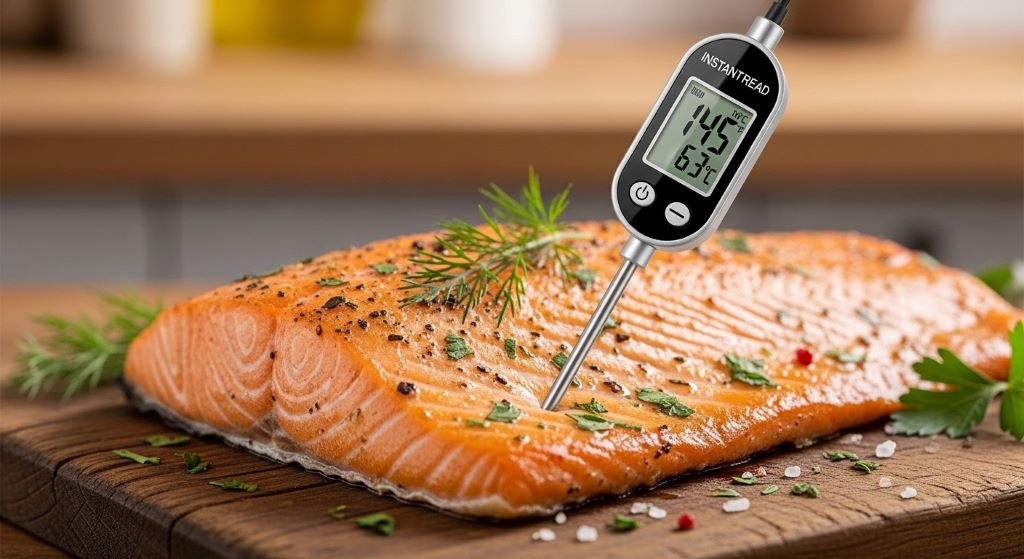
Cooking fish to the proper temperature ensures both safety and quality. Undercooked fish poses health risks, while overcooked fish becomes dry and unappetizing. Understanding correct internal temperatures transforms home cooks into confident seafood chefs.
This comprehensive guide provides essential temperature information for various fish types. Additionally, it explains testing methods and cooking techniques that guarantee perfectly prepared seafood every time.
Why Internal Temperature Matters for Fish
Food safety represents the primary reason for monitoring fish temperatures. Harmful bacteria and parasites die at specific heat levels. Therefore, reaching proper internal temperatures protects your family from foodborne illness.
Texture and flavor also depend on precise cooking temperatures. Fish proteins change structure as they heat, affecting moisture retention and tenderness. Consequently, a few degrees difference dramatically impacts the final result.
Different fish species require varying temperature targets. Fatty fish like salmon tolerate slightly lower temperatures than lean white fish. Moreover, personal preference plays a role in determining ideal doneness levels.
USDA Recommended Safe Minimum Temperatures
The USDA recommends cooking all fish to an internal temperature of 145 degrees Fahrenheit. At this temperature, fish flesh becomes opaque and separates easily into flakes. The center should no longer appear translucent or raw.
This standard applies to most finfish sold in American markets. However, some chefs and seafood experts suggest lower temperatures for specific species. These preferences balance food safety with optimal texture and moisture content.
According to the FDA’s food safety guidelines, proper cooking temperatures eliminate harmful bacteria like Salmonella and Vibrio species commonly found in seafood.
Temperature Chart by Fish Type
Salmon
Recommended temperature: 125-145 degrees Fahrenheit
Salmon tastes best when cooked to medium doneness around 125-130 degrees. At this temperature, the flesh remains moist with a slightly translucent center. The fish continues cooking after removal from heat, reaching 135 degrees during resting.
Many home cooks prefer 145 degrees for complete food safety. This higher temperature produces fully opaque, flaky salmon. Nevertheless, the texture becomes drier compared to medium doneness.
Wild salmon generally requires the same temperatures as farmed salmon. However, wild varieties contain less fat and dry out faster at higher temperatures.
Tuna and Swordfish
Recommended temperature: 125-145 degrees Fahrenheit
Tuna steaks are often served rare to medium-rare at 110-125 degrees. The center remains pink and tender, similar to beef steaks. Additionally, this lower temperature preserves the fish’s buttery texture.
Swordfish works well cooked to 135-140 degrees. This meaty fish maintains moisture better than delicate varieties. Therefore, it tolerates higher cooking temperatures without becoming dry.
For immune-compromised individuals, cooking these fish to 145 degrees provides extra safety. The texture changes significantly, but health concerns outweigh culinary preferences.
White Fish (Cod, Halibut, Sea Bass)
Recommended temperature: 130-145 degrees Fahrenheit
Lean white fish should reach 130-140 degrees for optimal results. These species contain minimal fat, making them susceptible to drying. Consequently, careful temperature monitoring prevents overcooking.
Cod becomes perfectly flaky at 135 degrees. The flesh turns opaque white and separates into large, tender flakes. Halibut requires similar temperatures but benefits from slightly higher heat at 140 degrees.
Sea bass reaches ideal doneness at 132-135 degrees. This delicate fish cooks quickly and continues rising in temperature after plating.
Mahi-Mahi and Grouper
Recommended temperature: 137-145 degrees Fahrenheit
These firm, meaty fish handle higher temperatures well. Mahi-mahi tastes best at 140 degrees with fully opaque flesh. The texture remains moist despite thorough cooking.
Grouper requires 145 degrees for food safety and quality. This dense fish needs complete cooking to achieve proper texture. Moreover, grouper’s thick fillets benefit from even heat distribution.
Trout and Other Freshwater Fish
Recommended temperature: 145 degrees Fahrenheit
Freshwater fish require thorough cooking to eliminate parasites. Rainbow trout, lake trout, and similar species should reach 145 degrees. This temperature ensures complete parasite destruction while maintaining acceptable texture.
Whole trout cooked with skin retains moisture better than fillets. The skin acts as insulation, preventing rapid moisture loss. Additionally, checking temperature in the thickest part ensures proper doneness throughout.

Shellfish Temperature Guidelines
Shrimp: 120-145 degrees Fahrenheit Scallops: 115-130 degrees Fahrenheit Lobster: 135-145 degrees Fahrenheit Clams and Oysters: Cooked until shells open
Shrimp turns pink and opaque when fully cooked. Overcooking creates rubbery texture, so monitoring temperature carefully matters. Scallops develop a slight translucent center at 125 degrees, which many chefs prefer.
According to Serious Eats’ seafood cooking guide, shellfish requires careful attention to prevent overcooking due to rapid temperature changes in small portions.
How to Accurately Measure Fish Temperature
Choosing the Right Thermometer
Digital instant-read thermometers provide the most accurate readings. These devices display temperatures within seconds, minimizing heat loss from the fish. Therefore, investing in a quality thermometer improves cooking consistency.
Dial thermometers work adequately but respond more slowly. Leave them inserted longer to obtain accurate readings. However, this extended insertion time releases more heat from the fish.
Infrared thermometers measure surface temperature only. They work for checking grill or pan temperatures but cannot assess internal doneness. Consequently, these devices serve limited purposes for fish cooking.
Proper Insertion Technique
Insert the thermometer into the thickest part of the fish. Avoid touching bones, which conduct heat differently than flesh. Additionally, angle the probe horizontally through the side for thin fillets.
For whole fish, probe near the backbone in the thickest section. The area closest to the spine cooks slowest. Therefore, this location provides the most conservative temperature reading.
Check multiple spots in large fish or thick fillets. Temperature variations occur due to uneven thickness and heat distribution. Moreover, verifying several locations ensures complete cooking throughout.
Visual and Tactile Doneness Indicators
Properly cooked fish appears opaque rather than translucent. The flesh changes from glossy and raw-looking to matte and solid-colored. However, some species like salmon retain slight translucence at medium doneness.
Flaking provides another reliable indicator. Insert a fork and twist gently in the thickest area. Cooked fish separates into distinct flakes along natural muscle lines. Undercooked fish resists flaking and appears mushy.
Texture changes as fish cooks. Raw fish feels soft and jiggly when pressed. Cooked fish firms up and springs back slightly under finger pressure. Nevertheless, thermometer readings remain more reliable than touch alone.
Common Cooking Methods and Temperature Control
Pan-Searing
Pan-searing creates excellent crust while maintaining moist interiors. Preheat the pan until oil shimmers but does not smoke. Additionally, pat fish dry before searing to promote browning.
Cook presentation side first for best appearance. Most fillets need 3-4 minutes per side depending on thickness. Therefore, checking temperature after the flip prevents overcooking.
Baking and Roasting
Oven cooking provides even, gentle heat distribution. Preheat ovens to 375-425 degrees Fahrenheit for fish. Lower temperatures work for delicate species, while higher heat suits thick steaks.
Baking time varies with thickness and starting temperature. Room-temperature fish cooks faster than refrigerator-cold fillets. Moreover, covering fish with foil retains moisture during baking.
Grilling
Grilling adds smoky flavor and attractive grill marks. Oil the grates well to prevent sticking. Additionally, using a fish basket helps manage delicate fillets.
Direct high heat works for thick steaks and firm fish. Delicate species benefit from indirect heat or cedar planks. Therefore, adjusting technique based on fish type improves results.
Poaching
Poaching gently cooks fish in flavored liquid. Maintain poaching liquid at 160-180 degrees Fahrenheit. The liquid temperature stays below boiling, preventing tough texture.
Poached fish requires shorter cooking times than other methods. Check temperature frequently to avoid overcooking. Furthermore, the gentle heat makes poaching ideal for delicate species.
Food Safety Considerations
Purchase fish from reputable sources with proper refrigeration. Fresh fish should smell ocean-clean, not fishy or ammonia-like. Additionally, flesh should appear firm and spring back when touched.
Store fish at 32-38 degrees Fahrenheit until cooking. Use within two days of purchase for best quality and safety. Frozen fish stays safe indefinitely but maintains best quality for 3-6 months.
Thaw frozen fish in the refrigerator overnight. Never thaw at room temperature, which promotes bacterial growth. Alternatively, seal fish in plastic and submerge in cold water, changing water every 30 minutes.
Wash hands, utensils, and surfaces after handling raw fish. Cross-contamination spreads bacteria to other foods. Therefore, maintaining separate cutting boards for seafood prevents illness.
Tips for Perfectly Cooked Fish Every Time
Remove fish from refrigeration 15-20 minutes before cooking. Room-temperature fish cooks more evenly than cold fillets. However, do not leave fish out longer than 30 minutes for food safety.
Pat fish completely dry with paper towels. Moisture prevents proper browning and creates steam instead of sear. Additionally, dry surfaces develop better crust and texture.
Season generously with salt and pepper. Fish requires adequate seasoning to enhance natural flavors. Moreover, adding seasonings before cooking allows flavors to penetrate the flesh.
Let fish rest 2-3 minutes after cooking. Carryover cooking continues raising internal temperature by 5-10 degrees. Therefore, removing fish slightly before target temperature prevents overcooking.
Conclusion
Mastering fish cooking temperatures elevates home cooking significantly. The recommended range of 125-145 degrees Fahrenheit accommodates various species and personal preferences. Using an accurate instant-read thermometer ensures consistent, safe results every time. Additionally, understanding visual and tactile indicators provides backup confirmation of doneness. By following these temperature guidelines and techniques, home cooks can prepare restaurant-quality seafood with confidence.
Frequently Asked Questions
What temperature should fish be cooked to according to USDA guidelines?
The USDA recommends cooking all fish to an internal temperature of 145 degrees Fahrenheit. At this temperature, fish becomes opaque and flakes easily with a fork, ensuring harmful bacteria and parasites are eliminated for food safety.
Can I eat salmon at 125 degrees Fahrenheit?
Yes, many chefs serve salmon at 125-130 degrees for medium doneness with optimal texture and moisture. However, the USDA recommends 145 degrees for complete food safety, especially for immune-compromised individuals, pregnant women, and young children.
How do I know when fish is done without a thermometer?
Check if fish has turned opaque rather than translucent and flakes easily when twisted with a fork. The flesh should be firm to touch and spring back slightly. However, using a thermometer remains the most reliable method for ensuring proper doneness.
Does fish continue cooking after removing from heat?
Yes, fish experiences carryover cooking that raises internal temperature by 5-10 degrees after removal from heat. Therefore, remove fish from heat when it reaches 5 degrees below your target temperature to account for this continued cooking during resting.
What is the best thermometer type for cooking fish?
Digital instant-read thermometers provide the most accurate and fastest readings for fish. Insert the probe horizontally into the thickest part of the fillet, avoiding bones. Quality models display temperatures within 2-3 seconds, minimizing heat loss.
Related Topics:
Artichoke properties: 6 health benefits