
How to Pick the Best Affordable Gym Rope
Fun Activities to do With the Kids Around Chester
July 20, 2026What a Golf Hotel in the Cotswolds Offers
July 28, 2026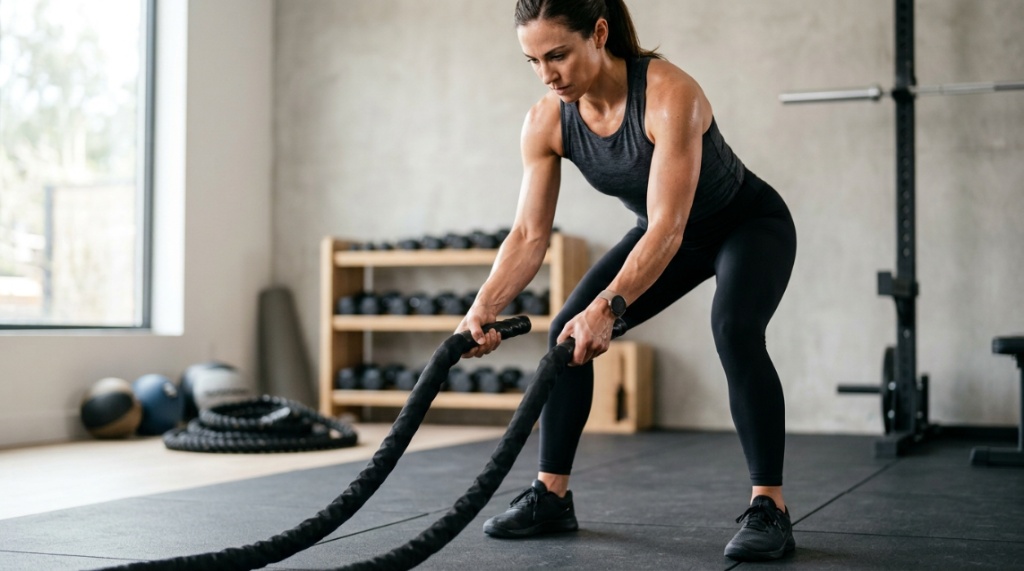
You’ve finally committed to getting your cardio and conditioning on track, but the price tags on some gym ropes make you wince. You know battle ropes and jump ropes deliver serious results—torching calories, building grip strength, and improving coordination—but you don’t want to blow your budget on a piece of equipment that might fray after a month. The disconnect between wanting high performance and needing to spend wisely is real. That’s exactly why you need a practical, no-nonsense guide to finding an affordable gym rope that actually delivers. This article walks you through everything from material types to length selection, so you can make a smart purchase without the guesswork or the hype.
What Exactly Is an Affordable Gym Rope?
An affordable gym rope is a training tool designed for strength, endurance, or conditioning that balances durability and cost. It doesn’t mean cheap or flimsy—it means you get reliable performance without paying premium prices for brand names or unnecessary features.
Defining the Price Range
Most affordable gym ropes fall between $20 and $60. In this bracket, you can find quality jump ropes made from PVC, nylon, or even beaded cables. For battle ropes, the best deals usually land between $30 and $80 for a rope that lasts 6 to 12 months with regular use. Anything below $10 often sacrifices durability, while anything above $100 enters the pro or specialty tier.
What You Give Up vs. What You Keep
With an affordable rope, you might lose flashy handles, overly complicated bearings, or lifetime warranties. But you keep the core essentials: smooth rotation, tangle resistance, and a rope that cuts through air cleanly. The sweet spot is a mid-range product that skips marketing fluff and focuses on function.
Why Should You Trust a Budget-Friendly Gym Rope?
Price does not always equal performance when it comes to gym ropes. Many budget options are made in the same factories as expensive counterparts, just with simpler packaging or fewer bells and whistles.
Materials That Do Not Cost a Fortune but Last
PVC and nylon ropes are cheap to produce but surprisingly resilient. PVC jump ropes resist kinking and are easy to cut to length. Nylon battle ropes hold up to slams and waves without fraying excessively if you tape the ends. These materials offer 80 percent of the performance of premium polyurethane ropes at half the cost.
Brand vs. No-Name: The Real Difference
Brand-name ropes often charge double for identical manufacturing. Many affordable gym ropes come from the same supply chains as expensive ones, just without the logo. Reading verified reviews and checking for warranty mentions (even short ones) helps you spot hidden quality without paying for branding.
How Do You Choose the Right Type of Gym Rope for Your Goals?
Your fitness goal dictates which rope style you need. Picking the wrong type wastes money and hinders progress.
Jump Ropes for Speed and Agility
If your goal is boxing conditioning, HIIT cardio, or footwork drills, go for a speed rope. Look for a PVC or steel cable with lightweight handles and ball bearings. Affordable versions with plastic handles and nylon coatings work perfectly for most athletes.
Battle Ropes for Strength and Power
For slams, waves, and grinds, you need a thick, heavy rope (1.5 to 2 inches in diameter). Affordable battle ropes are often 100 percent nylon or polyester. They may not have reinforced anchors, but you can secure them around a post or simply hold them yourself for most exercises.
Weighted Jump Ropes for Full-Body Work
Weighted ropes (0.5 to 2 pounds) add upper body engagement. Affordable versions use bulkier PVC or foam handles rather than metal inserts. They still provide enough load to challenge your shoulders and forearms without the premium price.
Which Rope Material Offers the Best Value?
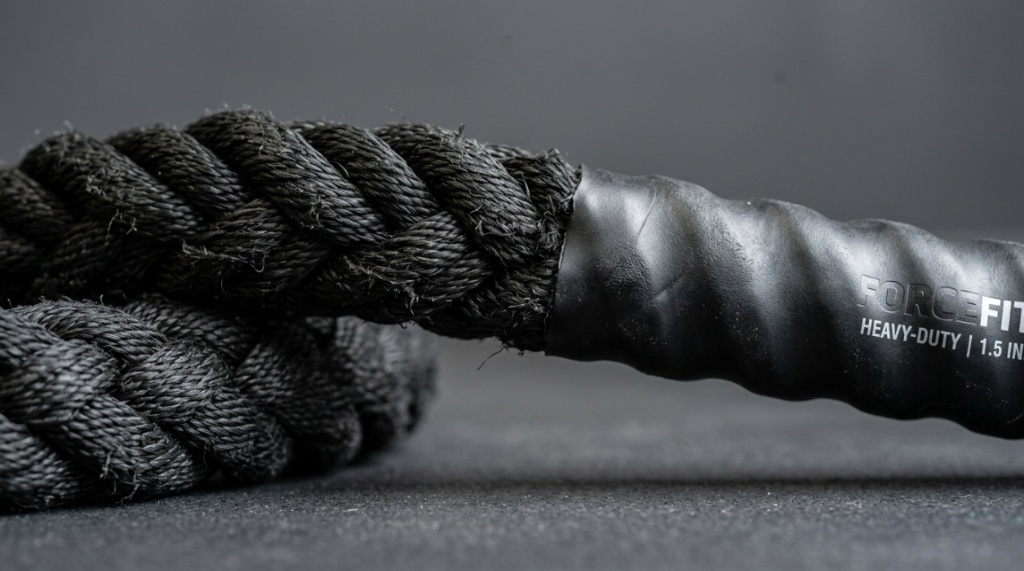
The material determines how long your rope lasts and how it feels during use. Choosing wisely saves you from buying replacements every few weeks.
PVC vs. Nylon vs. Beaded Cables
| Material | Best For | Longevity | Affordability |
|---|---|---|---|
| PVC | Jump ropes, gym ropes | 6–12 months | Excellent |
| Nylon | Battle ropes, heavy ropes | 6–18 months | Very good |
| Beaded cables | Jump ropes, outdoor use | 12–24 months | Good |
Why PVC Wins for Beginners
PVC ropes are light, fast, and cheap to replace. They do not absorb moisture or dirt, so they stay clean during sweaty sessions. For anyone starting out, a $15 PVC rope is more than enough to build skill and endurance.
The Trade-off with Nylon Battle Ropes
Nylon battle ropes are durable but shed small fibers over time. Taping the ends with electrical tape extends their life and prevents unraveling. This simple fix makes a $40 nylon rope perform like a $100 poly blend.
How Long Should Your Gym Rope Be?
Length directly affects performance, comfort, and safety. A rope that’s too long or too short will frustrate you and increase injury risk.
Jump Rope Length Formula
Stand on the center of the rope and pull the handles straight up. The handles should reach your armpits. For an affordable gym rope, this rule helps you avoid cutting a rope that is too short or leaving one that catches on your feet.
Battle Rope Length Guidelines
- For general use: 30 to 40 feet (1.5 to 2 inches thick)
- For smaller spaces: 20 to 30 feet
- For high-intensity waves: 40 to 50 feet
Most budget-friendly battle ropes come in 30-foot lengths, which works for 90 percent of home gym setups and outdoor workouts.
Can an Affordable Gym Rope Handle High-Intensity Workouts?
Yes, but you need to be realistic about wear and tear. Affordable ropes are often designed for moderate use rather than heavy abuse every single day.
Rotational Speed and Bearing Quality
Cheaper jump ropes may have plastic bearings instead of metal ones. They still spin smoothly for a few months but might develop friction over time. Lubricating with a drop of sewing machine oil restores performance without any cost.
Battle Rope Durability Under Slam Training
Nylon battle ropes handle hundreds of slams per session. Wrapping the anchor end with duct tape or heat shrink tubing prevents premature fraying. If you train 5 days a week, expect to replace an affordable rope every 4 to 6 months. That’s still cheaper than a month of gym membership.
When Is the Best Time to Buy an Affordable Gym Rope?
Timing your purchase can save you an extra 20 to 40 percent on an already budget-friendly product.
Seasonal Sales and Off-Peak Times
Look for deals during New Year’s fitness sales, Prime Day, Black Friday, and end-of-season clearouts. Many sellers discount gym ropes heavily when they are trying to make room for newer models.
Buying in Bulk or Multi-Packs
Some brands sell two-pack jump ropes or battle rope and anchor combos at a per-unit price lower than buying individually. If you train with a partner or want a backup rope, this approach cuts costs significantly.
What Features Should You Look For in an Affordable Gym Rope?
Not all budget ropes are equal. A few key features separate a good value from a headache.
Adjustable Length Mechanisms
Look for ropes with removable end caps or screw-lock mechanisms. Being able to cut or adjust length without tools keeps the rope usable for different heights and preferences.
Handle Comfort and Grip
Foam or rubber handles with a slight texture reduce slipping. Avoid hard plastic handles without any grip—they cause blisters and calluses quickly. Affordable models with ergonomic handles cost only a few dollars more.
Return Policy and Warranty
A 30-day satisfaction guarantee or a 90-day warranty is common even for budget ropes. If the seller offers no protection at all, move on. This simple check prevents you from being stuck with a defective rope.
How Do You Care for an Affordable Gym Rope to Extend Its Life?
Proper maintenance can double the lifespan of a budget rope. Follow these steps to avoid premature fraying and tangling,If you are organizing your workout gear and saving floor space, check out our guide on setting up a functional Home Gym with YYST W-Style Skateboard Wall Racks.
Cleaning and Storage
- Wipe down PVC ropes with a damp cloth after sweaty sessions.
- Dry nylon battle ropes thoroughly before storing to prevent mold.
- Hang ropes loosely—never folded or tightly coiled—to avoid kinks.
Replacing Worn Parts
If the rope material is still good but the handles break, you can often replace handles separately. Many affordable jump ropes use standard-size eyelets that fit replacement handles from other brands.
For a dependable yet budget-friendly option, check out a well-reviewed affordable gym rope that has been tested for durability and performance in real-world conditions.
Is a Cheaper Rope Better for Beginners?
Absolutely. Beginners benefit from affordable ropes because they allow experimentation without financial risk.
Testing Different Styles
You might prefer a beaded jump rope over a speed rope, or a 1.5-inch battle rope over a 2-inch one. Spending $15 per style lets you find your preference without guilt. Once you know what you like, you can upgrade later.
Reduced Pressure to Perform
When a rope costs less, you feel less pressure to master it immediately. This lowers the mental barrier and encourages more practice. Many experienced athletes started with a $10 rope and only upgraded once they outgrew it.
What Are the Common Mistakes People Make When Buying an Affordable Gym Rope?
Avoiding these pitfalls saves you frustration and money.
Ignoring Your Ceiling Height
Indoor jump rope sessions require at least 8 feet of clearance. Battle ropes need even more vertical space. Measure your workout area before buying, especially if you plan to use a rope indoors.
Overlooking the Anchor Point
Battle ropes need a secure anchor point—either a heavy post, a dedicated anchor, or a partner. Affordable ropes may not include an anchor, so you must account for that additional cost or find a workaround.
Buying Based on Color or Packaging
Sellers often make affordable ropes look flashy to distract from mediocre materials. Focus on reviews, material specs, and warranty information. A plain black rope with solid construction outperforms a neon rope that snaps after two weeks.
Frequently Asked Questions
What is the best affordable gym rope material?
PVC is the best material for jump ropes because it resists kinking and is easy to clean. For battle ropes, nylon offers the best balance of durability and cost.
How long should a gym jump rope be for a beginner?
Stand on the middle of the rope and pull the handles up. They should reach your armpits. A rope that is 9 feet long fits most people between 5’5″ and 5’10”.
Can I use a battle rope without an anchor?
Yes, but it limits your exercise options. You can wrap the rope around a sturdy pole or tree, or hold both ends and perform slams without anchoring. For waves, you need some form of anchor.
How often should I replace an affordable gym rope?
Replace a jump rope every 6 to 12 months depending on usage. Battle ropes last 6 to 18 months. Rotate ropes if you train daily to extend their life.
Are weighted jump ropes worth the extra cost?
Weighted ropes provide extra upper body engagement without adding complexity. An affordable weighted rope (under $30) offers a noticeable difference in arm fatigue and calorie burn compared to a standard speed rope.
Do cheap gym ropes cause more tangling?
Not necessarily. Tangling happens more due to rope length, storage method, and bearing quality. A well-made cheap rope with proper bearings will tangle less than a poorly designed expensive one.
What is the best length for a battle rope at home?
30 feet is the most versatile length for home gyms. It fits in most spaces and allows for waves, slams, and loops without overwhelming your workout area.
Choosing an affordable gym rope does not mean settling for poor quality. Focus on the right material, length, and features for your specific goals. Start with a PVC jump rope or a 30-foot nylon battle rope to build your skills and endurance without breaking the bank. Once you wear it out, you will know exactly which upgrade fits your needs. Now get moving—ropes are waiting, and your next workout is just a spin away.