
How to Fish for Lake Trout in a Small Lake
Three Favourite Italian Foods That are Loved Around the World
October 28, 2025
The Complete Guide to Adaptogens: Nature’s Answer to Modern Stress Management
November 8, 2025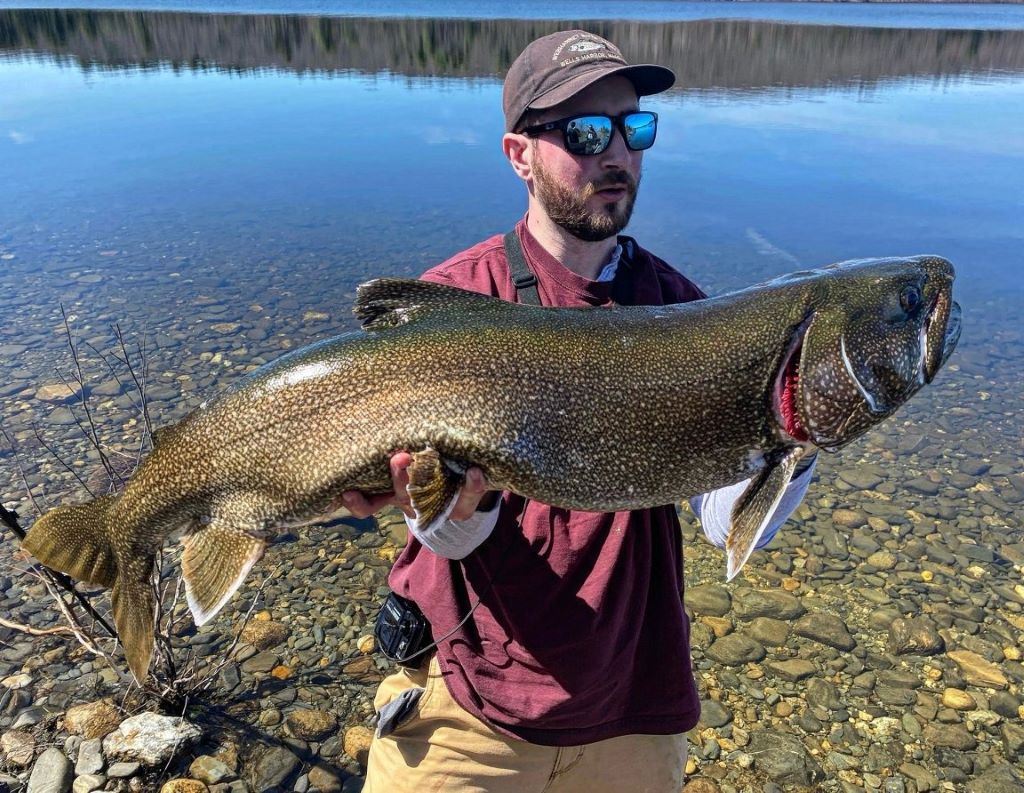
Lake trout fishing offers an exciting challenge for anglers of all skill levels. These cold-water predators thrive in deeper waters and require specific techniques to catch successfully. Whether you’re a seasoned angler or just starting out, understanding the unique characteristics of small lakes can significantly improve your catch rate. At Fishing Gear Shops, you’ll find everything you need to make your next fishing trip a success.
Small lakes present distinct advantages for lake trout fishing compared to their larger counterparts. The confined space makes it easier to locate fish, and you can cover more water in less time. Additionally, these intimate settings allow you to experiment with different techniques and quickly adapt your strategy based on what’s working. If you’re wondering how to fish for lake trout in a small lake, you’ll discover that patience and proper preparation are key to landing these magnificent fish.
Understanding the behavior of lake trout is essential for successful fishing. These fish prefer cold water temperatures between 40 and 55 degrees Fahrenheit. Therefore, they typically stay in deeper sections of the lake during warmer months. However, during spring and fall, they may venture into shallower waters where the temperature suits their preferences.
Best Time to Fish for Lake Trout
Timing plays a crucial role in your fishing success. Lake trout are most active during specific periods throughout the year. Early morning and late evening generally produce the best results, as these fish feed more aggressively during low-light conditions.
Spring represents the prime season for lake trout fishing in small lakes. As ice melts and water temperatures rise gradually, trout move closer to shore to feed. This migration makes them more accessible to anglers fishing from boats or shorelines. Fall also offers excellent opportunities, as trout prepare for winter by feeding heavily.
Summer fishing requires a different approach. During hot months, lake trout retreat to deeper, cooler waters. You’ll need to adjust your tactics and target depths of 40 to 100 feet, depending on your lake’s characteristics. Winter ice fishing can be productive, though it demands specialized equipment and safety precautions.
Essential Gear and Equipment
Having the right equipment makes a substantial difference in your fishing experience. A medium to heavy-action rod paired with a quality reel provides the strength needed to handle these powerful fish. According to the Ontario Ministry of Natural Resources, using appropriate gear ensures both successful catches and proper fish handling.
Line selection matters significantly when targeting lake trout. Monofilament line in the 10 to 20-pound test range works well for most situations. However, braided line offers better sensitivity and strength for deep-water fishing. Adding a fluorocarbon leader can increase your success rate, as it’s nearly invisible underwater.
Lures and bait choices vary based on conditions and personal preference. Spoons remain the most popular option for lake trout fishing. Silver, gold, and copper-colored spoons effectively mimic the baitfish that trout feed on naturally. Tube jigs, crankbaits, and live bait such as minnows also produce excellent results.
Effective Fishing Techniques
Trolling stands out as one of the most effective methods for covering water in small lakes. This technique involves dragging lures behind a slow-moving boat at various depths. Use a depth finder to locate the thermocline where lake trout typically congregate. Vary your trolling speed and depth until you find what works best.
Jigging offers another productive approach, especially when you’ve located a concentration of fish. Drop your jig to the desired depth and work it with short, sharp movements. This action triggers the predatory instincts of lake trout. Pause occasionally to let the jig flutter downward, as strikes often occur during the fall.
Casting from shore or a boat can be effective in smaller lakes, particularly during spring and fall. Focus on areas near drop-offs, rocky points, and underwater structures where baitfish gather. Cast your lure beyond your target area and retrieve it slowly, varying your speed and action to entice strikes.
Locating Lake Trout in Small Lakes
Understanding lake structure is fundamental to finding lake trout. These fish relate strongly to structure and contours on the lake bottom. Use a fish finder or depth map to identify deep holes, underwater humps, and steep drop-offs. These features concentrate baitfish and attract hungry lake trout.
Temperature plays a vital role in fish location. Invest in a quality thermometer to measure water temperature at different depths. Look for the thermocline, which is the layer where water temperature changes rapidly. Lake trout often suspend just below this zone where oxygen levels and temperature meet their preferences.
Pay attention to wind patterns and current. Even in small lakes, wind creates subtle currents that push plankton and baitfish to specific areas. Lake trout follow these food sources, so focus your efforts on windward shores and points. Additionally, areas where streams enter the lake provide cooler, oxygenated water that attracts trout.
Bait and Lure Selection Strategies
Live bait remains highly effective for lake trout fishing. Large minnows, smelt, and cisco work exceptionally well. Hook them through the lips or back to keep them lively and swimming naturally. Use enough weight to reach your target depth while allowing the bait to move freely.
Artificial lures offer versatility and can be more convenient than live bait. Flutter spoons create an erratic action that mimics injured baitfish. Work them with a lift-and-drop motion to maximize their effectiveness. Tube jigs in white, chartreuse, or natural colors produce consistent results across various conditions.
Switching lures throughout the day helps you determine what trout prefer on any given outing. Start with proven patterns and colors, then experiment if you’re not getting bites. Sometimes a simple change in lure size or color can turn a slow day into a successful one.
Handling and Releasing Lake Trout
Proper fish handling ensures healthy populations for future generations. Lake trout are sensitive to handling and warm temperatures. If you plan to release your catch, keep the fish in the water as much as possible. Use barbless hooks to minimize injury and speed up the release process.
Support the fish horizontally with both hands when removing hooks. Avoid squeezing the body or touching the gills, as these areas are particularly delicate. Take quick photos if desired, but return the fish to the water promptly. Revive exhausted fish by moving them gently back and forth in the water until they swim away strongly.
Check local regulations before keeping any fish. Many small lakes have specific size and bag limits to protect lake trout populations. Following these rules helps maintain healthy fisheries for everyone to enjoy.
Seasonal Considerations and Adjustments
Each season demands different approaches to lake trout fishing. Spring fishing focuses on shallower waters near spawning areas and warming bays. Fish actively feed after the long winter, making them more aggressive and willing to strike various presentations.
Summer requires targeting deeper, cooler waters where trout seek comfortable temperatures. Deep jigging and trolling become primary techniques during hot months. Early morning sessions offer the best opportunities, as fish may venture slightly shallower to feed before temperatures rise.
Fall brings trout back toward shallower waters as surface temperatures cool. This season offers some of the year’s best fishing opportunities. Trout feed heavily to prepare for winter, making them less selective about what they strike. Focus on traditional structure areas and don’t hesitate to try faster retrieves.
Safety and Preparation Tips
Always prioritize safety when fishing on small lakes. Check weather forecasts before heading out and avoid fishing during storms or high winds. Wear a properly fitted life jacket when in a boat, regardless of your swimming ability. Bring emergency supplies including a first-aid kit, whistle, and communication device.
Prepare for changing weather conditions by dressing in layers. Early mornings on the water can be quite cold, even during summer months. Bring rain gear and extra clothing to stay comfortable throughout your trip. Staying warm and dry allows you to focus on fishing rather than discomfort.
Inform someone of your fishing plans, including your intended location and expected return time. This simple precaution ensures help can reach you quickly if any problems arise. Additionally, carry a detailed map of the lake and surrounding area in case you need to navigate unfamiliar waters.
Conclusion
Fishing for lake trout in small lakes provides rewarding experiences and exciting catches. Success depends on understanding fish behavior, using appropriate gear, and applying effective techniques. Focus on locating the right water temperature and structure where trout congregate. Experiment with different lures and presentations until you discover what works best on your chosen water body.
Remember that patience and persistence pay off in lake trout fishing. Not every trip produces limits, but each outing teaches valuable lessons. Keep detailed notes about what works under different conditions, and you’ll gradually build a knowledge base that improves your success rate. Most importantly, respect the resource by following regulations and practicing proper catch-and-release techniques when appropriate.
Frequently Asked Questions
What is the best depth to fish for lake trout in small lakes?
The optimal depth varies by season and water temperature. During summer, fish typically hold between 40 and 100 feet where water stays cool. In spring and fall, trout may be found in shallower waters of 15 to 40 feet. Use a thermometer to locate water temperatures between 40 and 55 degrees Fahrenheit for best results.
What size hooks should I use for lake trout?
Hook size depends on your bait or lure choice. For live bait fishing with large minnows, use sizes 2 to 2/0. When fishing with spoons or jigs, the hook comes built into the lure. Generally, medium to large-sized lures work best for lake trout, as they feed on substantial baitfish.
Can you catch lake trout from shore in small lakes?
Yes, shore fishing can be productive, especially during spring and fall when trout move into shallower waters. Focus on areas with deep water access close to shore, such as rocky points, steep drop-offs, and areas near stream inlets. Early morning and evening provide the best shore fishing opportunities.
What color lures work best for lake trout?
Silver, gold, and copper spoons consistently produce results, as they mimic natural baitfish. White and chartreuse also work well, particularly in stained water or low-light conditions. Experiment with different colors until you find what trout prefer on your specific lake and day.
Do I need a boat to fish for lake trout in small lakes?
While a boat provides access to deeper water and more fishing spots, it’s not absolutely necessary. Many small lakes have shore access to productive areas. However, a boat with a depth finder significantly increases your ability to locate fish and fish effectively throughout the season.
Related Topics:
5 U.S. Family Friendly Fishing Vacation Destinations