
How Cold Press Juicers Work Compared to Centrifugal Juicers
Five thermal spray coatings
January 22, 2026
Fish Temperature Cooked Chart for Home Kitchens
January 26, 2026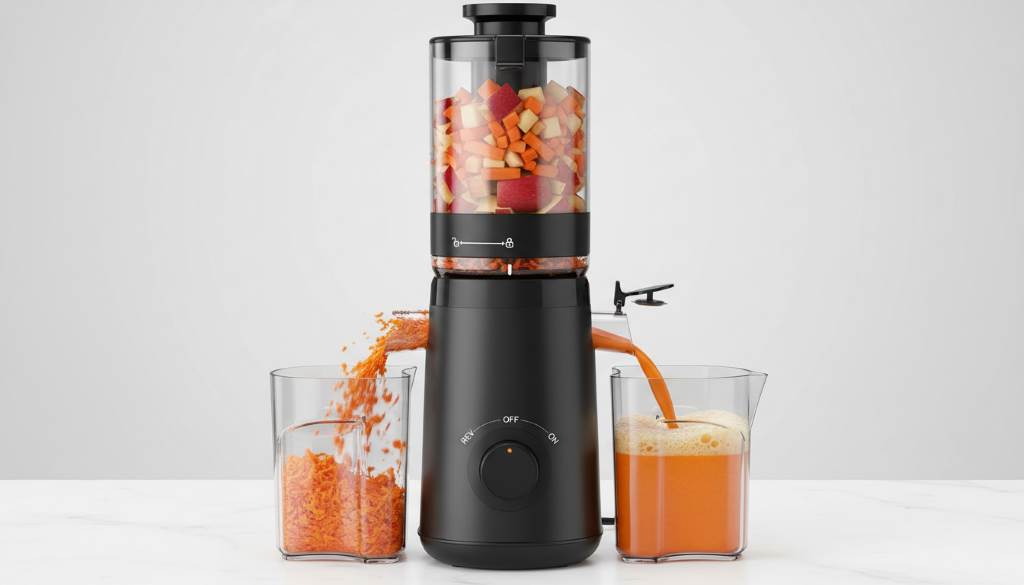
Fresh juice bursts with flavor and vitality. Many people start juicing to boost their health. However, not all juicers create the same results. Two main types dominate the market: centrifugal juicers and cold press juicers.
Centrifugal models work fast and cost less upfront. Cold press juicers, also known as masticating or slow juicers, take more time but deliver superior quality. Research shows meaningful differences in nutrition and taste.
For instance, a study published in the National Institutes of Health library found that juices from low-speed masticating juicers retain higher nutritional quality than those from centrifugal models. Another test revealed cold-pressed juice holds about 15% more nutrients overall.
Ready to experience these benefits? Check out slow masticating juicer options that make nutrient-rich juicing easy at home. In this guide, you will understand exactly how each type works and why one often wins for health-focused juicers.
What Is a Centrifugal Juicer?
Centrifugal juicers remain popular for good reasons. They appeared first in home kitchens decades ago. Today, they appeal to busy people who want quick results.
These machines use high-speed spinning to separate juice from pulp. You feed fruits or vegetables into a chute. A fast blade shreds them instantly. Then, centrifugal force pushes the juice through a mesh filter while pulp flies outward.
Most models spin at 6,000 to 15,000 RPM. That speed creates juice in seconds. However, it also introduces heat and air. Both factors affect the final product.
Many beginners start with centrifugal juicers. They handle hard produce like carrots and apples well. Soft fruits work too, though results vary.
How Centrifugal Juicers Work Step by Step
The process feels straightforward. First, you prepare your produce. Wash and chop items to fit the feed tube. Larger chutes mean less prep time.
Next, turn on the machine. The motor revs up quickly. Drop pieces down the chute. Sharp teeth grate them against a spinning disc.

Tiny fragments form almost instantly. Then, the basket spins rapidly. Juice flies outward through small holes. Pulp collects inside the basket or ejects separately.
Finally, juice flows into a container. You pour and drink right away. The whole cycle takes under a minute for most recipes.
This speed explains their appeal. However, high RPM creates friction. That friction generates heat, even if small. Air enters during shredding too.
Both elements start oxidation immediately. Juice separates faster and foams more. Colors dull quicker as well.
Pros and Cons of Centrifugal Juicers
Centrifugal models offer clear advantages. Speed tops the list. You make juice fast on busy mornings.
They cost less initially. Entry-level options fit tight budgets. Wide feed tubes reduce chopping time.
Yet drawbacks exist. Heat and oxidation reduce nutrient levels slightly. Studies confirm this effect.
Juice separates quickly. Foam forms on top. Shelf life shortens dramatically. Drink it within hours for best taste.
They struggle with leafy greens. Spinach or kale often leaves wet pulp behind. Yield drops for those ingredients.
Noise stands out too. High-speed motors sound loud. Early mornings might wake others.
Cleanup takes effort. Mesh screens trap pulp tightly. Scrubbing removes stuck bits.
What Is a Cold Press Juicer?
Cold press juicers operate differently. People also call them masticating or slow juicers. They crush and press produce gently.
An auger turns slowly inside a tight chamber. It mimics chewing motion. First, it crushes cell walls. Then, pressure squeezes out juice.
Speeds range from 40 to 120 RPM typically. Low speed prevents heat buildup. Minimal air enters the process.
This method preserves enzymes and vitamins better. Juice stays vibrant longer. Many users notice richer flavors too.
Cold press models handle diverse ingredients. Leafy greens, nuts, and even wheatgrass work well.
How Cold Press Juicers Work Step by Step
The mechanism feels simple yet effective. You prepare produce similarly. Cut items to fit the chute, though openings stay narrower.
Turn on the machine. The auger rotates slowly. Feed pieces one by one. The screw crushes them against the wall.
Pressure builds gradually. Juice flows through a fine screen. Dry pulp exits a separate outlet.
The process takes longer. A full glass might need two to three minutes. However, results show the difference clearly.
Little heat forms. Oxidation stays minimal. Juice emerges smooth and uniform.
Many models include reverse functions. They clear jams easily. Some offer extra screens for different textures.
Pros and Cons of Cold Press Juicers
Cold press juicers shine in quality. Nutrient retention leads the benefits. Research supports higher vitamin and enzyme levels.
Yield increases noticeably. Drier pulp means more juice from the same produce. Tests show up to 30% more in some cases.
Shelf life extends dramatically. Juice stays fresh in the fridge for 72 hours. Colors remain bright. Flavors hold strong.
They run quietly. Slow motors produce little noise. You juice early without disturbance.
Versatility stands out. Make nut milks, sorbets, or baby food easily. Leafy greens extract efficiently.
However, time increases. Slower operation requires patience. Narrow chutes demand more chopping.
Initial cost runs higher. Quality models reflect the engineering. Cleanup involves more parts, though many disassemble easily.
Key Differences Between Cold Press and Centrifugal Juicers
Direct comparisons reveal clear patterns. Speed versus quality forms the core trade-off.
Centrifugal juicers prioritize convenience. Cold press models focus on nutrition and taste.
Nutrient Retention and Oxidation
High-speed spinning introduces heat and air. Both degrade sensitive compounds. Vitamin C and enzymes suffer most.
In contrast, slow crushing preserves structure. A 2019 study in PMC showed low-speed methods retain superior antioxidant levels.
Another lab test found cold-pressed juice holds 15% higher overall nutrients. Over time, degradation slows dramatically.
Oxidation causes foam and separation in centrifugal juice. Cold press versions stay uniform longer.
Related:
How to Best Shop for Kitchen Cabinets
Make your kitchen feel more sociable with these tips
Juice Yield and Pulp Dryness
Cold press machines extract more liquid. The pressing action squeezes thoroughly. Pulp emerges very dry.
Centrifugal models leave wetter pulp. Some juice remains trapped. Tests with pineapple showed 92% yield versus lower for spinning methods.
Higher yield saves money over time. You use less produce for the same volume.
Flavor, Color, and Texture
Cold press juice tastes richer. Natural flavors shine through. Colors stay vibrant and appealing.
Centrifugal juice often foams heavily. Separation happens quickly. Taste dulls from oxidation.
Many users describe cold press versions as smoother. Less bitterness emerges from greens.
Noise Level and Operating Time
Centrifugal juicers roar during use. High RPM creates significant sound.
Cold press models whisper quietly. Slow rotation keeps peace in the kitchen.
Speed favors centrifugal. You finish fast. Cold press requires patience but rewards quality.
Versatility with Ingredients
Hard produce works in both. However, leafy greens challenge centrifugal models. Wet pulp wastes potential.
Cold press handles kale, spinach, and herbs efficiently. Nut milks and sorbets become possible too.
Shelf Life and Storage
Centrifugal juice needs immediate drinking. Oxidation starts fast. Quality drops within hours.
Cold press juice lasts days refrigerated. Enzymes stay active longer. Batch prep becomes practical.
Which Juicer Should You Choose?
Your lifestyle guides the decision. Busy mornings favor speed. Centrifugal works well then.
Health goals shift the balance. Maximum nutrition points to cold press. Daily green juicing benefits most.
Budget matters initially. However, higher yield offsets cost over time. Quality ingredients deserve quality extraction.
Many households own both eventually. Quick apple juice uses centrifugal. Nutrient-packed green blends use cold press.
Try recipes first. Simple carrot-apple works anywhere. Complex celery-kale shows differences clearly.
Health Benefits Backed by Research
Studies continue supporting slow methods. A Thai market analysis compared common juices.
Cold-pressed versions showed higher bioactive compounds. Antioxidant capacity measured stronger.
Another test tracked vitamin stability over 72 hours. Centrifugal juice lost nearly half vitamin A. Cold press retained most.
Enzyme activity matters too. Heat-sensitive compounds survive gentle pressing. Digestion benefits follow.
Overall, evidence favors cold press for nutrition. Small differences add up with regular use.
Practical Tips for Better Juicing
Start with ripe produce always. Flavor improves dramatically. Organic options reduce pesticide concerns.
Alternate hard and soft items. This prevents clogging in both types.
Drink juice soon when possible. Even cold press benefits from freshness.
Store properly in airtight containers. Fill to the top to minimize air.
Clean immediately after use. Parts soak easier then.
Experiment with combinations. Ginger adds kick. Lemon brightens greens.
Conclusion
Cold press juicers and centrifugal models serve different needs. Speed versus quality defines the choice.
However, nutrition evidence clearly favors slow methods. Higher yield, longer shelf life, and richer taste follow.
You deserve juice that supports your health goals fully. Gentle extraction preserves what matters most.
Start making vibrant, nutrient-packed drinks today. Your body will notice the difference quickly.
FAQs
What is the main difference in how these juicers work?
Centrifugal juicers shred produce at high speed and use spinning force to separate juice. Cold press juicers slowly crush and press ingredients with minimal heat or air.
Which type preserves more nutrients?
Cold press juicers retain more vitamins, enzymes, and antioxidants. Studies show less degradation from heat and oxidation.
Is cold press juice worth the extra time?
Yes, for most health-focused users. Higher quality, better yield, and longer freshness make the slower process valuable.
Can centrifugal juicers handle leafy greens?
They struggle compared to cold press models. Pulp stays wetter and yield drops significantly.
How long does cold press juice stay fresh?
Up to 72 hours refrigerated in airtight containers. Centrifugal juice loses quality within hours.
References
- Effect of cold-pressed and normal centrifugal juicing on quality attributes: https://pmc.ncbi.nlm.nih.gov/articles/PMC6587058/
- Cold-Pressed VS Centrifugal Juice – Part 2: Nutrient Shelf Life: https://www.goodnature.com/blog/cold-pressed-vs-centrifugal-juice-part-2-nutrient-shelf-life
- Cold Pressed vs. Centrifugal Juice: Comparison in Terms of the Juice Yield: https://www.researchgate.net/publication/379239448_Cold_Pressed_vs_Centrifugal_Juice_Comparison_in_Terms_of_the_Juice_Yield_Physicochemical_and_Phytochemical_Properties
- A Guide to Centrifugal and Masticating Juicers: https://www.seriouseats.com/centrifugal-vs-masticating-juicers-7500489