
How to Measure Room for Furniture in Small Apartments Accurately
The pros and cons of four laminate flooring thicknesses
December 26, 2025
Why the Makita XDT19Z Stands Out Among Cordless Impact Drivers
December 30, 2025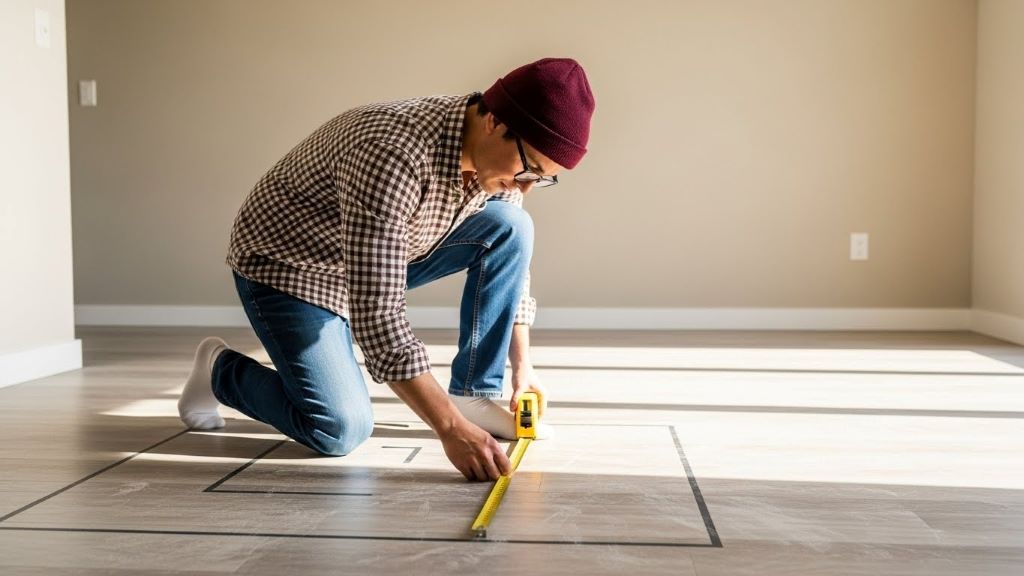
Living in a small apartment requires careful planning when buying furniture. Accurate measurements prevent costly mistakes and ensure your space functions well. This guide shows you how to measure your room properly so every piece fits perfectly.
Why Accurate Measurements Matter in Small Spaces
Small apartments offer limited square footage. Therefore, every inch counts when arranging furniture. A sofa that is too large overwhelms the room and blocks walkways. Conversely, furniture that is too small looks lost and fails to meet your needs.
Measuring accurately saves money and frustration. You avoid return fees and the hassle of exchanging furniture. Additionally, proper measurements help you visualize how pieces work together before purchasing. According to Apartment Therapy, taking detailed measurements is the most important step in furnishing small spaces successfully.
Essential Tools for Measuring Your Apartment
Gathering the right tools makes measuring easier and more accurate. You need a metal tape measure at least 25 feet long. Metal tapes stay straight over long distances better than cloth versions.
A laser distance measurer offers quick, precise readings. These devices work especially well for measuring ceiling heights and diagonal distances. However, a traditional tape measure remains essential for detailed work.
Bring a notepad and pencil to record all measurements immediately. Smartphone apps can also store measurements, but having a physical backup prevents data loss. Additionally, graph paper helps you sketch room layouts to scale.
A level ensures your walls are truly vertical. Sometimes walls lean slightly, which affects furniture placement. Finally, a step ladder reaches high points like ceiling moldings or top shelves.
Measuring Your Room Dimensions
Start by measuring the length and width of your entire room. Measure from wall to wall at floor level. Record these numbers clearly, labeling which measurement corresponds to which wall.
Next, measure the ceiling height in multiple locations. Older apartments sometimes have uneven ceilings. Note the lowest height, as this determines what tall furniture will fit.
Measure doorways carefully, including both width and height. Don’t forget to measure the door swing radius. Furniture must fit through doorways, so note any tight spots. Furthermore, measure hallways leading to your apartment if you live above the ground floor.
Windows require detailed measurements. Record the width and height of each window, plus the distance from the floor to the windowsill. Note the distance from each window to the nearest corner. This information helps you position furniture without blocking natural light.
Documenting Architectural Features
Small apartments often have unique architectural elements that affect furniture placement. Measure all baseboards and crown moldings. These features reduce usable wall space by several inches.
Radiators, heating vents, and air conditioning units need clearance. Measure their dimensions and mark their locations on your floor plan. Furniture placed too close to heating elements creates fire hazards and reduces efficiency.
Built-in features like closets, alcoves, or nooks require special attention. Measure the depth, width, and height of these spaces. Sometimes, custom furniture fits perfectly in awkward areas.
Electrical outlets and light switches influence furniture arrangement. Note the location of every outlet along each wall. Measure the height from the floor to each outlet. You want easy access to outlets without moving furniture constantly.
Creating a Scaled Floor Plan
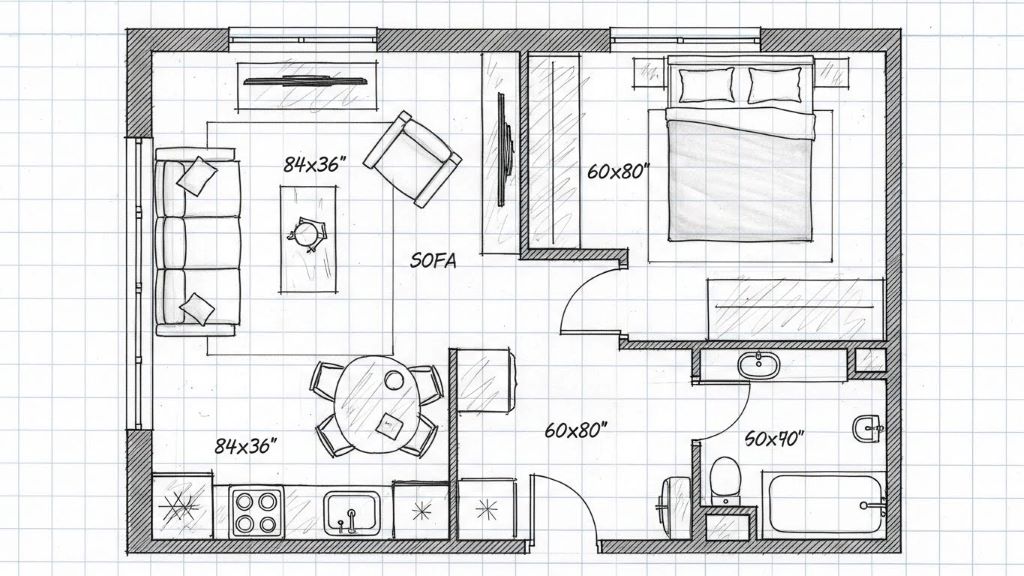
Transfer your measurements to graph paper to create a scaled floor plan. Choose a scale that fits your paper, such as one square equals one foot. This visual representation helps you experiment with furniture arrangements.
Draw the room’s outline first, using your length and width measurements. Add doorways, windows, and architectural features in their exact positions. Include door swings to ensure furniture does not block entries.
Mark electrical outlets, heating elements, and built-in features on your plan. These elements create zones where furniture cannot go. Consequently, your floor plan reveals available space more clearly.
Digital floor planning apps offer another option. Programs like RoomSketcher or MagicPlan create professional layouts from your measurements. These tools let you drag virtual furniture around to test different arrangements.
Measuring Walkways and Clearances
Small apartments need efficient traffic flow. Therefore, measure and plan for adequate walkways between furniture pieces. A minimum of 24 inches allows comfortable passage in most situations.
Major walkways require 36 to 42 inches for easy movement. These primary paths connect your entrance to main living areas. However, tighter spaces can work for secondary passages used less frequently.
Doorways need clearance on both sides. Leave at least 6 inches of space beside doors so they open fully. Additionally, ensure furniture does not interfere with door operation.
Consider clearance around furniture for functionality. Chairs need 24 to 30 inches of pull-out space for sitting and standing. Dressers require 36 inches in front for drawer operation. Plan these clearances into your layout.
Measuring for Specific Furniture Types
Different furniture pieces require specific measurements. Understanding these requirements helps you shop effectively and avoid mistakes.
Sofas and sectionals need careful consideration. Measure the sofa’s length, depth, and height. Don’t forget to measure arm heights, as these affect end table placement. Check diagonal measurements if your doorways are narrow. Sometimes, sofas must enter at an angle.
Beds require space for both the frame and movement around them. Measure the room length and width, then subtract walkway space. What remains determines your maximum bed size. Remember that bedding adds bulk beyond the frame dimensions.
Dining tables need room for chairs when pulled out. Add 24 inches to each side where people will sit. This calculation shows the true space a dining set occupies. Moreover, consider extendable tables that grow for entertaining.
Storage furniture like bookcases and dressers must fit against walls without blocking features. Measure the height to ensure pieces do not cover windows or artwork. Check depth to prevent furniture from protruding awkwardly into the room.
Measuring Furniture Before Purchasing
Never assume furniture dimensions from appearance alone. Always check exact measurements before buying. Online retailers list dimensions in product descriptions. In stores, use your tape measure to verify sizes.
Measure furniture height, width, and depth. For seating, measure seat height from the floor. This affects comfort and whether the furniture fits under tables or desks. Additionally, measure arm heights and back heights for complete information.
Note any protruding elements like legs, handles, or decorative details. These extensions add to overall dimensions. Furthermore, check if legs are removable for easier transport and reassembly.
Compare furniture measurements to your floor plan. Place cutouts or digital representations in your layout to visualize fit. This step reveals potential problems before you commit to a purchase.
Accounting for Delivery and Assembly
Furniture must travel from the store to its final location. Measure your building’s entrance, hallways, stairwells, and elevators. These choke points sometimes prevent large furniture from reaching your apartment.
Stairways need special attention. Measure both the width and the vertical clearance at each turn. According to The New York Times, measuring all access points prevents moving day disasters.
Elevators have size and weight limits. Record the elevator’s interior dimensions, including diagonal measurements from corner to corner. Check with building management about weight restrictions for heavy items.
Some furniture arrives flat-packed for assembly. These items fit through tight spaces more easily. However, verify that assembled dimensions work in your space. Additionally, ensure you have room to assemble furniture once inside.
Using Your Measurements While Shopping
Bring your measurements everywhere you shop. Keep them on your phone or in a small notebook. This information guides every furniture decision you make.
Visualize furniture placement using your floor plan. Eliminate pieces that exceed your size requirements immediately. This focused approach saves time and prevents impulse purchases.
Consider scale and proportion beyond raw measurements. A sofa might technically fit but still overwhelm a small room. Look for pieces with slim profiles and exposed legs. These design elements create visual space.
Ask sales associates for alternatives if your first choice does not fit. They often know compact options designed for small spaces. Furthermore, many retailers offer customization services with size modifications.
Common Measuring Mistakes to Avoid
Several mistakes commonly derail furniture planning. Forgetting to measure doorways ranks among the most frequent errors. Always verify that furniture fits through every entrance along its path.
Neglecting clearance space creates cramped, uncomfortable rooms. Remember that measurements show where furniture sits, not the space it truly occupies during use. Therefore, add functional clearance to all calculations.
Mixing measurement units causes confusion and errors. Stick to either inches or feet throughout your project. Convert carefully if furniture dimensions use different units.
Failing to account for baseboards and moldings reduces available space. Measure to these features, not the wall surface behind them. Additionally, remember that furniture rarely sits flush against walls due to these elements.
Overlooking ceiling height leads to problems with tall furniture. Measure vertical space, especially in rooms with ceiling fans, light fixtures, or sloped ceilings. Your measurements prevent furniture from hitting overhead obstacles.
Digital Tools and Apps for Measuring
Technology simplifies the measuring process. Laser measuring tools provide instant, accurate readings for room dimensions. These devices cost more than tape measures but save significant time.
Augmented reality apps show how furniture looks in your space. Apps like IKEA Place or Houzz use your phone’s camera to overlay virtual furniture in real rooms. This technology helps you visualize scale and fit.
3D room planning software creates detailed layouts. Programs like SketchUp or Planner 5D let you build virtual rooms and test furniture arrangements. These tools offer professional results without professional training.
Some retailers offer virtual room design services using your measurements. Designers create layouts and suggest furniture that fits your space perfectly. This service often comes free when purchasing multiple items.
Final Checks Before Buying
Review all measurements one final time before purchasing furniture. Double-check critical dimensions like doorway widths and furniture sizes. This verification catches errors while you can still make changes.
Consider future needs beyond immediate requirements. Will your furniture work if you move to a different apartment? Versatile pieces adapt to various spaces and layouts.
Think about delivery logistics and timing. Ensure someone can receive furniture and guide delivery personnel. Additionally, protect floors and walls during furniture movement with blankets or cardboard.
Plan furniture arrangement before delivery day. Know exactly where each piece goes to streamline the process. This preparation reduces stress and prevents hasty decisions.
Conclusion
Measuring your small apartment accurately makes furniture shopping successful and stress-free. By taking detailed measurements of rooms, doorways, and architectural features, you ensure every piece fits perfectly. Creating scaled floor plans helps visualize arrangements and identify potential problems early. Remember to account for walkways, clearances, and delivery access throughout your planning process. With careful measuring and thoughtful planning, you can furnish your small apartment with confidence, creating a comfortable and functional living space that maximizes every square inch.
Frequently Asked Questions
What is the minimum walkway width needed between furniture in a small apartment?
The minimum comfortable walkway width is 24 inches between furniture pieces. However, major traffic paths benefit from 36 to 42 inches for easier movement. In very tight spaces, 18 inches can work for occasional-use passages.
How do I measure furniture if I cannot visit the store in person?
Check online product descriptions for detailed dimensions including height, width, and depth. Contact customer service for additional measurements if needed. Use augmented reality apps to visualize the furniture in your space before purchasing.
Should I measure my room before or after moving into a small apartment?
Measure before moving if possible. This allows you to plan furniture purchases and arrangements ahead of time. If already moved in, clear the room as much as possible before measuring for the most accurate results.
How much space should I leave around a bed in a small bedroom?
Leave at least 24 inches on each side where you enter and exit the bed. The foot of the bed can have less clearance if space is tight. Ensure you can open closet doors and dresser drawers without hitting the bed.
What tools are essential for measuring a small apartment accurately?
A 25-foot metal tape measure is essential for basic measurements. Additionally, a notepad or smartphone for recording numbers, graph paper for floor plans, and a level for checking walls prove very useful. Laser measures speed up the process but are optional.
Related Topics: