Healthy Hair vs. Styled Hair Understanding What Your Hair Really Needs
What Bristol Audiologists Check After Sudden Hearing Loss
September 17, 2026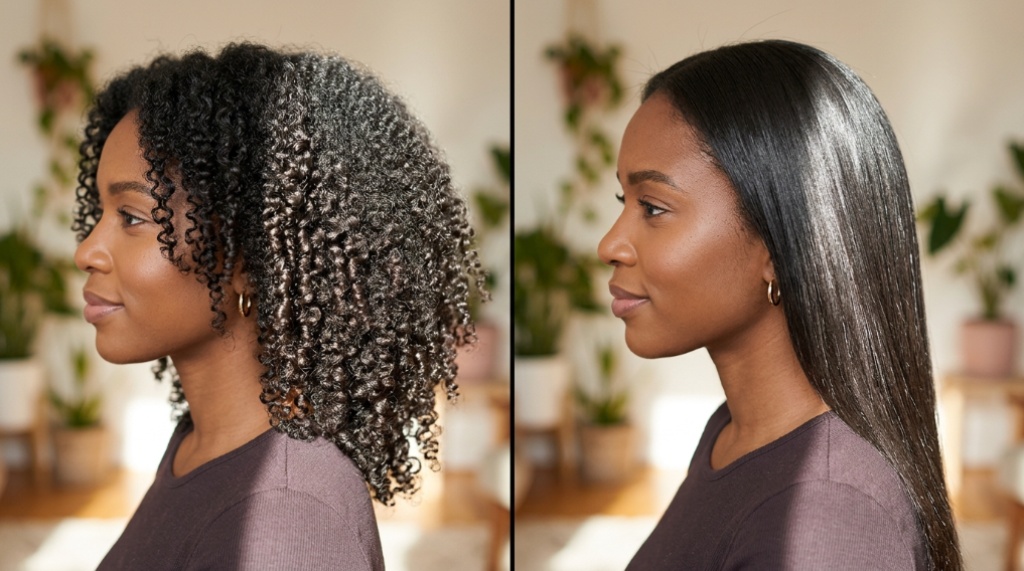
You wash it, condition it, and maybe even use a weekly mask. Yet the moment you reach for a curling iron or flat iron, your hair feels dry, brittle, or strangely coated. Here’s the uncomfortable truth: healthy hair and styled hair are not the same goal, and treating them as one is why so many routines backfire. A guide to Color Wow supernatural spray illustrates this tension well: it is a styling product built around heat protection and finish, not a repair treatment or a replacement for genuine hair health.
Quick Answer
Healthy hair is about internal strength, moisture balance, and cuticle integrity, while styled hair is about how the surface looks and behaves after products and heat. Most damage comes from confusing the two: using styling products to mask unhealthy hair instead of addressing it. You can style healthy hair safely, but you cannot style damaged hair into health. The right approach is to repair and maintain first, then style with products that respect that foundation.
Key Takeaways
- Healthy hair reflects internal structure (protein, moisture, cuticle), while styled hair reflects surface finish and hold, so the two are measured very differently.
- Heat damage, over-washing, and chemical services are the most common reasons hair looks styled but feels unhealthy underneath.
- Heat protectants and finishing sprays reduce damage; they do not reverse existing damage, so they should not be treated as repair products.
- Match your routine to your hair type and current condition, not just your desired look, before adding styling steps.
- If hair snaps, feels gummy when wet, or stays frizzy no matter what you apply, address health first and style second.
What “Healthy Hair” Actually Means
Healthy hair is not a look; it is a set of physical properties. A healthy strand has an intact outer cuticle layer, balanced protein and moisture inside the cortex, and enough natural oil to stay flexible without feeling greasy. When all three are in order, hair feels smooth, stretches slightly before breaking, and holds a style without needing to be forced.
Three things signal genuinely healthy hair:
- Elasticity: Wet hair should stretch and return without snapping.
- Cuticle smoothness: Strands feel slick rather than rough when you run a finger from mid-length to end.
- Moisture balance: Hair is neither straw-dry nor constantly limp and over-conditioned.
Damage tends to move in one direction. Once the cuticle lifts or breaks, moisture escapes, protein leaches out, and the strand becomes more vulnerable with each heat cycle or chemical process. That is why the difference between healthy and unhealthy hair is often invisible in a photo but obvious the moment you touch it, For more styling tips on managing different textures, check out our guide on how to Get a Slick Back Hairstyle with Low Density Hair.
What “Styled Hair” Actually Means
Styled hair is about appearance and behavior after a product or tool has done its job: a sleek blowout, defined curls, volume at the roots, or a glossy finish. The look can be achieved even on compromised hair. This is the trap. Frizz can be smoothed with silicone. Dullness can be faked with shine spray. Breakage can be hidden with the right cut and styling technique.
None of that changes what the hair actually is underneath. A style is temporary and reversible; hair condition is cumulative and slow to change. That is why someone can leave a salon with beautiful styled hair and still have a serious underlying problem that shows up weeks later, If you are experimenting with different styling techniques and worried about thin strands, check out our guide on can you get a slick back hairstyle with low density hair to find styles that work safely for your hair type.
Healthy Hair vs. Styled Hair: A Side-by-Side Comparison
The cleanest way to separate the two is to compare what each one measures, how long it lasts, and what it depends on.
| Factor | Healthy Hair | Styled Hair |
|---|---|---|
| What it describes | Internal structure and condition | Surface appearance and finish |
| How long it lasts | Months of consistent care | Hours to a few days |
| Primary driver | Protein, moisture, cuticle integrity | Products, heat, technique |
| How it is tested | Elasticity, smoothness, shedding, breakage | Hold, shine, shape, definition |
| Can it be faked? | No | Yes, often easily |
| Main risk if ignored | Long-term breakage and thinning | Temporary bad hair day |
The table makes one point clear: styling can be adjusted tomorrow, but hair health is a slow-moving result. Treating styling as a substitute for condition management is where most routines go wrong.
Why Heat and Styling Products Sit at the Center of the Problem
Most everyday damage comes from two sources: heat and mechanical stress. Flat irons and curling wands can reach temperatures that strip moisture from the cortex and temporarily or permanently alter the shape of the hair’s internal bonds. Brushing wet hair aggressively stretches fragile strands. Tight styles pull on the root. Repeated over time, each of these moves hair from “styled” toward “damaged,” even when the look seems fine.
This is where protective styling products matter. A heat protectant forms a barrier that slows moisture loss and reduces the temperature spike on the surface of the strand. A finishing spray adds shine and reduces friction. Both are damage-minimizers, not damage-reversers. If hair is already compromised, a protectant will slow further decline but will not bring it back.
Where Products Like Color Wow Supernatural Spray Fit
Color Wow’s Supernatural Spray is designed around a heat-activated, anti-frizz and gloss concept: you apply it to damp hair and blow-dry with tension to create a smooth, shiny finish. Its role is distinctly on the styling side of the equation. It helps hair look glassy and resist humidity, and it works best on hair that is already reasonably healthy. Using it on chronically dry or chemically over-processed hair will flatten rather than fix, and it will not restore elasticity or rebuild the cuticle.
How to Tell Which One Your Hair Needs Right Now
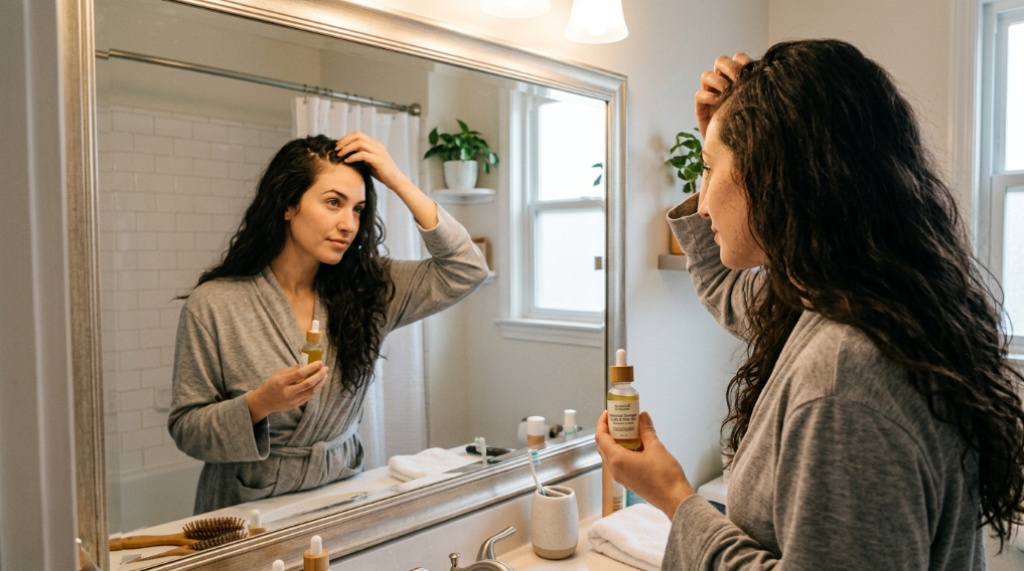
Before buying another product, run a quick self-check. The answer usually points clearly to either a health routine or a styling routine.
- Snap test: Pull a wet strand gently. If it snaps without stretching, you need moisture and protein care, not more styling.
- Feel test: Run your fingers from mid-length to ends. Roughness or a gummy feel signals cuticle damage, which is a health issue.
- Breakage check: Look at your pillow and shower drain for a week. Sudden increases mean the foundation needs attention before new styles.
- Style behavior: If hair stays frizzy within an hour no matter what you apply, the surface is compromised and styling products are only masking it.
If most answers point to damage, prioritize a repair-focused routine for four to six weeks before returning to regular heat styling. If your hair passes these checks but the style just won’t hold or shine, you have a styling problem, which is much faster and easier to solve.
Common Mistakes That Blur the Line
Several routine habits quietly confuse healthy hair with styled hair.
- Using heavy oils or serums to “fix” damage: They coat the surface and add shine but do not repair the cortex, and overuse can weigh hair down and block moisture.
- Dry-shampooing instead of washing: Fine for a day or two, but over time product buildup and scalp issues compound into a health problem.
- Cranking heat to reduce styling time: Higher temperature does not equal faster styling; it mainly accelerates damage.
- Skipping trims to preserve length: Split ends travel upward, so avoiding a trim ultimately costs more length than it saves.
- Switching products constantly: It becomes impossible to know what is actually working, whether for health or for style.
The fix is straightforward: separate your routine into a repair phase and a styling phase, and stop asking one product to serve both purposes.
A Realistic Routine That Serves Both Goals
You do not have to choose between looking styled and being healthy. You just have to sequence them correctly.
- Wash and condition with intention: Use a sulfate-free cleanser if hair is dry or color-treated, and apply conditioner from mid-length to ends.
- Add a weekly treatment: Alternate between a moisture mask and a protein treatment, especially if you heat-style regularly.
- Apply heat protectant on damp hair: Always before blow-drying or ironing, at a temperature appropriate to your hair texture.
- Style with restraint: Use the lowest effective heat setting and keep tools moving rather than resting on one section.
- Protect overnight: A loose braid or silk pillowcase reduces friction and next-day restyling.
- Trim every eight to twelve weeks: This keeps split ends from climbing and lets styling products work as intended.
Roughly 80 percent of your routine should support hair health, and about 20 percent can be styling. Flip that ratio and hair will look good for a while, then start to fail.
When Styling Products Help Rather Than Hurt
Not all styling products are equal, and some of them genuinely support hair health by reducing damage during styling. Heat protectants, anti-humidity sprays, and lightweight gloss formulas all reduce friction and moisture loss. The key distinction is purpose. A protectant applied before heat is preventative. A repairing mask applied weekly is restorative. A finishing spray applied on healthy hair is cosmetic polish. When each product is used for its actual job, the two goals stop competing.
What styling products cannot do is replace the fundamental habits: gentle washing, balanced moisture and protein, occasional trims, and controlled heat. Those are what keep hair healthy enough to be styled well in the first place.
Frequently Asked Questions
Can styling products make my hair healthier?
No. Styling products like heat protectants and finishing sprays reduce damage and improve appearance, but they do not repair existing structural damage. Genuine hair health comes from moisture balance, protein, gentle handling, and regular trims.
How often is it safe to heat-style my hair?
There is no universal safe number, but the more often you use high heat, the faster cumulative damage builds. Most stylists suggest limiting full heat styling to a few times per week and using the lowest effective temperature with a protectant every time.
Does healthy hair mean I can skip heat protectant?
No. Healthy hair resists damage better, but it is still vulnerable to heat. Skipping protectant on healthy hair slowly converts it into damaged hair. Protectant is a preventative step, not a corrective one.
How long does it take to repair damaged hair?
Visible improvement usually takes four to eight weeks of consistent care, and full recovery of badly damaged strands is not always possible. Hair that is severely compromised may need to be trimmed progressively as new growth comes in.
Is frizz a sign of unhealthy hair?
Not automatically. Frizz often reflects raised cuticles and moisture imbalance, which can indicate damage, but it can also occur on naturally textured or curly hair. If frizz is new, persistent, and paired with roughness or breakage, treat it as a health signal.
Should I stop heat styling entirely if my hair is damaged?
Not necessarily, but a break helps. A four-to-six-week pause from heat, combined with weekly masks and gentle handling, gives hair a chance to stabilize before you resume styling at lower temperatures with proper protection.
Conclusion
Healthy hair and styled hair are two different systems, and the confusion between them is what causes most long-term damage. Health is built slowly through moisture, protein, gentle handling, and trims. Styling is a temporary layer placed on top, ideally using protective products like heat protectants and anti-frizz sprays. The practical rule is simple: fix the foundation first, style second. If your hair passes the snap, feel, and breakage checks, you have room to style freely. If it does not, put down the hot tools for a few weeks and give your hair what it actually needs.