
How To Fix Dry Hair After Thermal Mineral Spa Soak
Beyond the Villages: The Cotswolds Wildlife to Expect on Your Walking Tour
August 15, 2026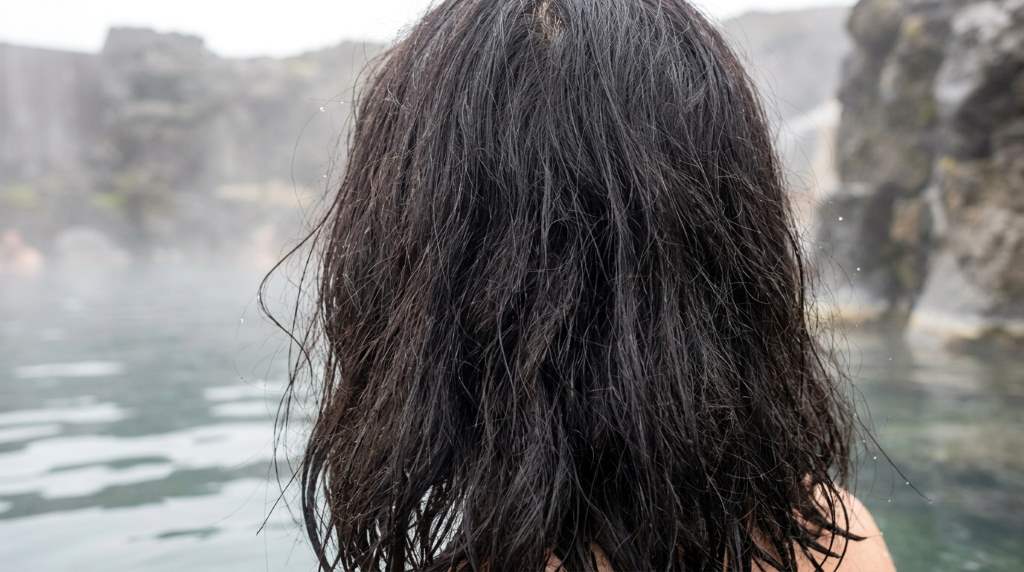
Dry hair after a thermal mineral spa soak usually improves with a sulfate free moisturizing shampoo, a deep conditioning mask, and a leave in hydrating treatment. Restoring moisture, balancing minerals, and protecting the hair cuticle are the fastest ways to bring back softness and shine. We suggest visiting the laser hair removal in midtown Manhattan.
Studies suggest that hard water minerals can build up on hair strands over time. Additionally, frequent exposure to mineral deposits may reduce softness and increase friction between hair fibers. Understanding why this happens helps you restore healthy looking hair more effectively. Visit the best anti aging facial in midtown Manhattan to get the best care for anti aging.
Why Thermal Mineral Spa Water Can Dry Out Hair
Thermal mineral water contains naturally occurring minerals. These minerals often include calcium, magnesium, sulfur, silica, and other trace elements.
Although these compounds benefit many spa visitors, they can affect hair differently. As a result, some people experience dryness after prolonged soaking.
Mineral Buildup on Hair Strands
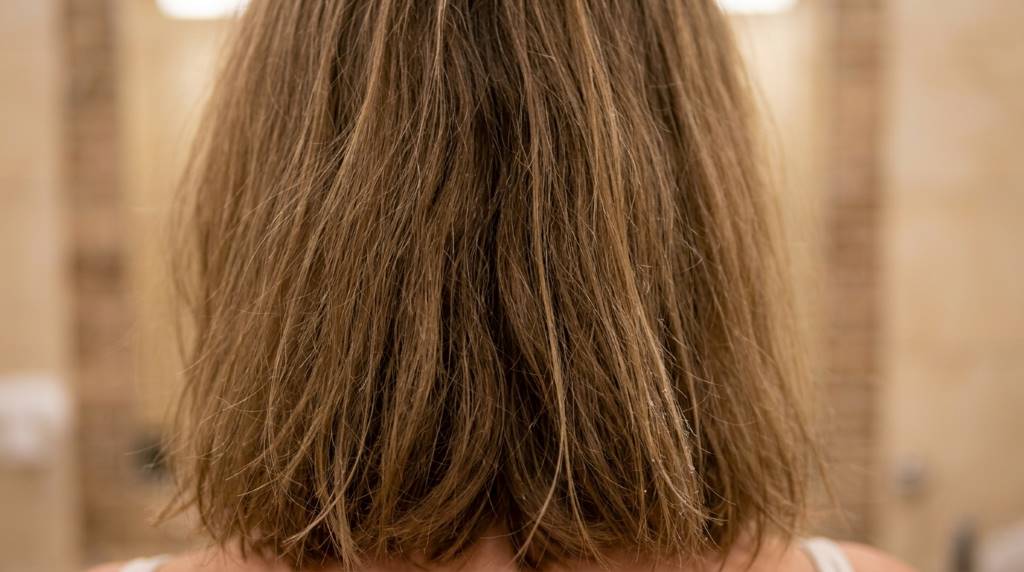
Minerals can attach to the outer hair layer. Consequently, hair may feel coated, stiff, or heavier than usual.
This buildup can prevent moisture from entering effectively. Therefore, hair often loses its smooth texture and flexibility.
Cuticle Disruption
The hair cuticle acts as a protective shield. When mineral exposure becomes excessive, that shield may become uneven.
As a result, moisture escapes more easily from the hair shaft. Hair then feels rough and looks less shiny.
Heat Exposure Effects
Thermal spa water is typically warm or hot. Heat can temporarily lift the cuticle layer.
Because of this process, moisture loss becomes more likely. Hair may appear dry even after a relaxing soak.
Signs Your Hair Needs Recovery
Identifying dryness early helps prevent further damage. Moreover, prompt treatment often delivers faster results.
Common signs include:
: Increased tangles
: Rough texture
: Reduced shine
: Frizzy appearance
: Breakage during brushing
: Hair that feels stiff when dry
Several of these symptoms often appear together. Therefore, addressing them quickly is important.
The First Step: Rinse Hair Thoroughly
Fresh water rinsing is one of the most effective immediate solutions. It helps remove excess minerals before they settle completely.
Use lukewarm water instead of hot water. This approach reduces additional moisture loss from the hair shaft.
Focus on Scalp and Lengths
Many people only rinse the surface. However, minerals often remain deeper within the hair.
Allow water to flow through the entire length. This method helps flush away lingering residue more effectively.
Use a Moisturizing Shampoo
After rinsing, cleanse the hair gently. A moisturizing shampoo helps remove buildup without excessive stripping.
Choose formulas designed for dry or damaged hair. These products typically contain hydrating ingredients that support recovery.
Ingredients That Help
Look for products containing:
: Glycerin
: Aloe vera
: Coconut oil
: Argan oil
: Panthenol
: Shea butter
These ingredients attract and retain moisture. Consequently, hair becomes softer and easier to manage.
Ingredients to Limit
Some cleansers can worsen dryness. Therefore, avoid overly harsh formulas when possible.
Try limiting:
: Strong sulfates
: High alcohol content
: Excessive fragrance
: Clarifying shampoos used too frequently
Apply a Deep Conditioning Mask
Deep conditioning provides intensive hydration. It is often the most important recovery step after mineral exposure.
Apply the mask from mid lengths to ends. Then leave it on according to product instructions.
Why Deep Conditioning Works
Conditioning masks contain concentrated moisturizing agents. These ingredients help smooth the cuticle surface.
As the cuticle becomes more uniform, moisture retention improves. Hair then feels softer and appears healthier.
Enhance Results Naturally
A shower cap can improve treatment performance. Gentle warmth helps conditioning ingredients penetrate more effectively.
Avoid excessive heat during this process. Moderate warmth generally delivers the best balance.
Remove Stubborn Mineral Buildup
Sometimes dryness persists despite conditioning. In such cases, mineral residue may still remain.
A chelating treatment can help remove stubborn deposits. These products target minerals that ordinary shampoos may miss.
How Often to Use Chelating Treatments
Use them only when needed. Overuse can leave hair feeling overly clean and dry.
Most people benefit from occasional treatments. Therefore, moderation remains important.
Restore Moisture With Leave In Products
Leave in conditioners continue working throughout the day. They provide ongoing hydration after washing.
Apply a small amount to damp hair. Then distribute evenly using your fingers or a wide tooth comb.
Benefits of Leave In Conditioners
These products help:
: Reduce frizz
: Improve softness
: Increase shine
: Prevent tangles
: Support moisture retention
Because they remain on the hair, results often last longer.
Use Hair Oils Correctly
Hair oils help lock moisture inside the strand. However, they work best after hydration is already present.
Apply oil over damp hair rather than dry hair. This technique helps seal existing moisture more effectively.
Effective Oils for Dry Hair
Popular options include:
: Argan oil
: Jojoba oil
: Avocado oil
: Sweet almond oil
Each option supports softness and smoothness. Furthermore, most lightweight oils add shine without heaviness.
Reduce Heat Styling During Recovery
Dry hair becomes more vulnerable to damage. Therefore, limiting heat tools can accelerate recovery.
Avoid frequent use of straighteners and curling irons. Instead, allow hair to air dry whenever possible.
If Heat Styling Is Necessary
Use a heat protectant before styling. This barrier helps reduce moisture loss during exposure.
Keep temperatures moderate rather than extremely high. Hair generally responds better to gentle styling practices.
Support Hair Recovery From Within
External treatments help significantly. Nevertheless, internal support also influences hair health.
Adequate hydration supports the body’s natural processes. Drinking enough water helps maintain overall moisture balance.
Nutrients That Support Healthy Hair
Focus on nutrient rich foods containing:
: Protein
: Omega fatty acids
: Zinc
: Iron
: Biotin
: Vitamins A and E
Balanced nutrition supports stronger hair growth. Consequently, long term resilience often improves.
Prevent Dry Hair During Future Spa Visits
Prevention is easier than repair. Fortunately, several simple habits can reduce future dryness.
Preparing hair before entering mineral water creates valuable protection. Therefore, a few minutes of preparation can make a difference.
Protective Strategies
Before soaking:
: Wet hair with fresh water
: Apply leave in conditioner
: Use a swim cap when appropriate
: Tie long hair loosely
: Limit prolonged immersion
These steps reduce direct mineral absorption. As a result, hair often retains more moisture afterward.
Common Mistakes That Make Dry Hair Worse
Many people unintentionally slow recovery. Avoiding a few habits can improve results significantly.
Common mistakes include:
: Washing too frequently
: Using harsh shampoos
: Skipping conditioner
: Excessive brushing
: Daily heat styling
: Ignoring mineral buildup
Correcting these habits often improves hair texture quickly.
When To Seek Professional Help
Persistent dryness may indicate more than mineral exposure. Sometimes underlying hair damage already exists.
Consult a hair care professional if breakage becomes severe. Likewise, seek guidance when symptoms continue despite proper care.
Professional treatments may address deeper structural issues. Consequently, recovery can become more effective and predictable.
Conclusion
Dry hair after a thermal mineral spa soak is usually caused by mineral buildup, heat exposure, and moisture loss. Fortunately, thorough rinsing, deep conditioning, leave in hydration, and occasional mineral removal treatments can restore softness and shine.
Start a recovery routine immediately after your next spa visit. Consistent moisture focused care will help keep your hair healthy, smooth, and resilient. Finally, we recommended the best facials in midtown Manhattan and the best manicure in midtown Manhattan to know more details.
FAQs
How long does dry hair last after a thermal mineral spa soak?
Most cases improve within several days when proper moisturizing treatments are used.
Can mineral water permanently damage hair?
Occasional exposure rarely causes permanent damage when hair receives proper aftercare.
Should I wash my hair immediately after a spa soak?
Yes, rinsing and cleansing soon afterward helps reduce mineral buildup.
Is coconut oil good for dry hair recovery?
Yes, coconut oil can help reduce moisture loss and improve softness.
Can hard water minerals make hair feel rough?
Yes, mineral deposits can coat hair strands and create a rough texture.