How Long Does It Take to Change a Tire? A Complete Guide for Every Driver

Gear Second vs Boundman Speed: Which Luffy Form is Faster?
October 2, 2025Four Beautiful Towns and Villages to Visit in the Cotswolds
October 16, 2025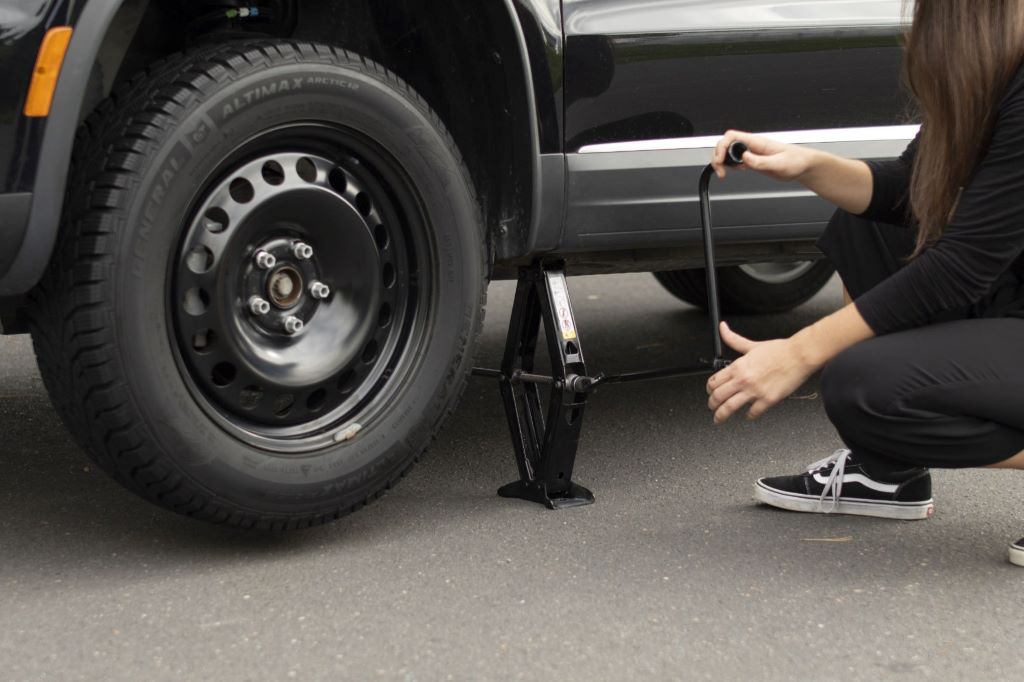
Changing a tire is one of the most essential skills for any driver. Whether you’re stranded on the side of the road with a flat or want to be prepared before an emergency happens, knowing how long it takes to change a tire—and how to do it efficiently—can save you a lot of stress and hassle.
In this comprehensive guide, we’ll explore the average time it takes to change a tire, walk you through the step-by-step process, highlight tools and safety tips, and answer frequently asked questions to make sure you’re ready for the road ahead.
Why Knowing How Long It Takes to Change a Tire Matters
Imagine you’re driving late at night or during rush hour when you feel your car wobble. You pull over and realize your tire is flat. Time is critical—not just for convenience but for safety reasons. Understanding how long it typically takes to swap a flat tire for a spare can help you plan accordingly and manage expectations during stressful moments.
So, how long does it actually take to change a tire?
- For an experienced person with the right tools, the process usually takes 15 to 30 minutes.
- For a beginner or first-time changer, it might take 30 to 60 minutes.
- A professional roadside service can sometimes complete the job in 10 to 20 minutes, depending on conditions.
Of course, time varies based on factors like car type, weather, terrain, and equipment available. But knowing the typical range can prepare you better.
Step-By-Step: How to Change a Tire (And How Long Each Step Takes)
Let’s break down the tire-changing process so you can estimate where your time will go, and be ready to act confidently in an emergency.
-
Pull Over Safely and Set Up (5-10 minutes)
This step is crucial. Safely pulling over to a flat, stable area, turning on hazard lights, and putting on your parking brake helps ensure safety for you and other drivers.
- Tip: Avoid soft, uneven ground wherever possible because jack stability takes longer, and safety is compromised.
-
Gather Your Tools (2-3 minutes)
You’ll need:
- Spare tire (fully inflated)
- Jack
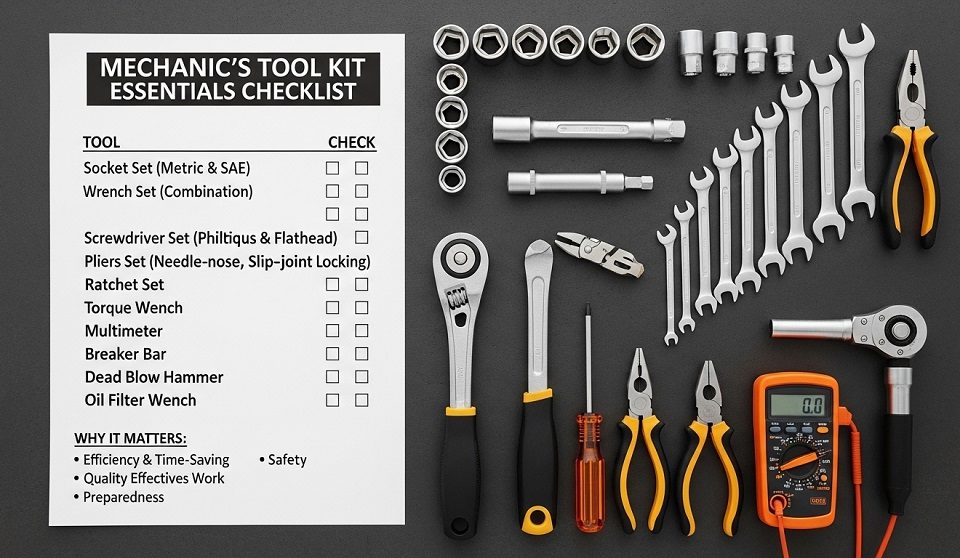
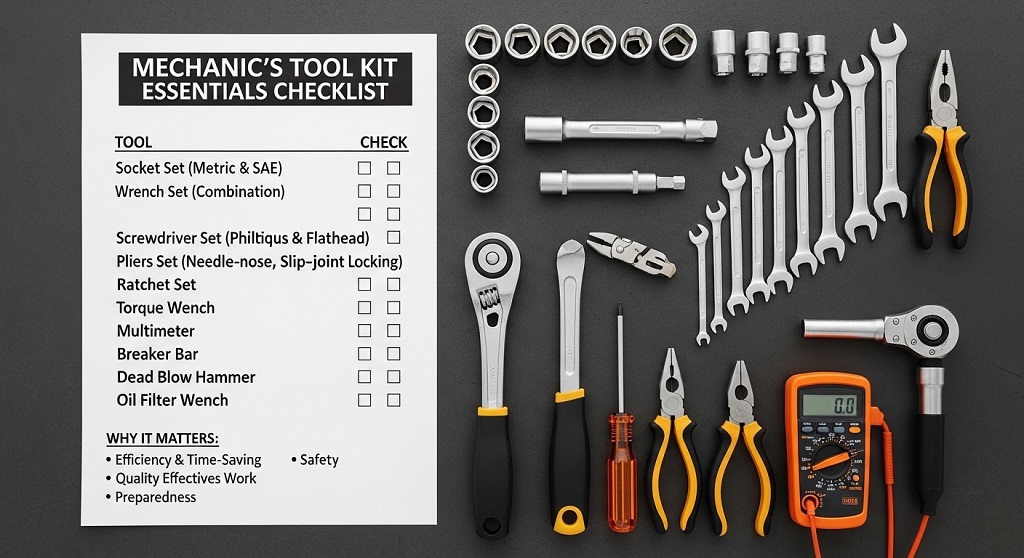
- Lug wrench
- Wheel wedges or blocks (to prevent rolling)
- Owner’s manual (if needed for specifics)
Having these in an organized spot makes this quicker.
-
Loosen the Lug Nuts (5-7 minutes)
Before you jack up the car, slightly loosen the lug nuts with the wrench by turning them counterclockwise. Loosening while the tire is still on the ground helps keep the wheel from spinning.
- Note: Lug nuts can be tough. Using a lug wrench with a long handle gives better leverage.
-
Use the Jack to Raise the Vehicle (5 minutes)
Position the jack at the designated jack point near the flat tire (check the manual if unsure). Slowly raise the car until the flat tire is off the ground by a few inches.
- Tip: Ensure the jack is stable to avoid accidents.
-
Remove the Lug Nuts and Tire (3-5 minutes)
Once raised, remove the lug nuts completely and then carefully pull off the flat tire. Place the flat tire under the car as an additional safety precaution if possible.
-
Mount the Spare Tire (3-5 minutes)
Align the spare tire with the wheel bolts and push it onto the hub. Screw on the lug nuts by hand as much as possible.
-
Lower the Vehicle and Tighten Lug Nuts (5-7 minutes)
Lower the car until the tire touches the ground but the full weight isn’t on it. Tighten the lug nuts in a criss-cross pattern using the wrench to ensure even pressure. Then fully lower the car and tighten the nuts again.
-
Clean Up and Final Checks (2-3 minutes)
Put your tools and flat tire away in the car, remove wheel blocks, and double-check that the lug nuts are secure. Check the air pressure of the spare if possible.

What Affects Tire Changing Time?
While the 15-30 minute window is a good guide, here are factors that can extend or shorten the process:
- Experience Level: Skilled individuals or professionals are much faster.
- Tools: A power impact wrench or electric jack can save minutes.
- Condition & Terrain: Mud, snow, or roadside obstacles complicate the change.
- Car Model: Some vehicles have lug nuts or rims that require additional steps or tools.
- Safety Precautions: Properly securing the vehicle takes time but is non-negotiable.
- Physical Ability: Tasks like loosening lug nuts or lifting the spare can be physically demanding.
Common Mistakes When Changing a Tire
Avoid these pitfalls to speed up the process and stay safe:
- Not loosening lug nuts first: Trying to loosen nuts after the car is jacked up is harder and dangerous.
- Incorrect jack placement: Can cause the jack to slip and damage the car or injure you.
- Forgetting wheel wedges: The car can roll during the process if not blocked.
- Tightening lug nuts unevenly: Can damage the wheel or cause vibration while driving.
- Using a flat spare tire or tire that’s underinflated: This can be unsafe or cause further breakdowns.
Tools That Can Help Speed Up Changing a Tire
Investing in the right tools can shave off crucial minutes:
- Impact Wrench: An electric or battery-powered lug nut remover speeds up nut loosening and tightening.
- Scissor or Hydraulic Jack: These make lifting easier, especially on uneven ground.
- Torque Wrench: Ensures lug nuts are tightened to the proper specification.
- Tire Pressure Gauge: For quick air pressure checks on your spare.
FAQs About Changing a Tire
Q1: How long does it take a professional to change a tire?
Most professional roadside assistance providers can change a tire in 10-20 minutes, depending on conditions and access to tools.
Q2: Can I change a tire alone, or do I need help?
It’s possible to change a tire alone, but having a second person improves safety and efficiency, especially when loosening or tightening lug nuts.
Q3: What if my spare tire is a “donut” spare?
“Donut” spares are smaller and meant for temporary use only, typically at speeds below 50 mph and distances under 70 miles. Always replace with a full-size tire as soon as possible.
Q4: How often should I check my spare tire?
Check your spare tire’s air pressure and overall condition monthly to ensure it’s ready when needed.
Q5: What can I do if the lug nuts are too tight to loosen?
Using a longer lug wrench for leverage or standing on the wrench bar carefully can help. Avoid sudden, jerky force to prevent injury. If still stuck, roadside assistance may be necessary.
Conclusion: Be Prepared to Change a Tire Efficiently
Changing a tire doesn’t have to be a daunting or time-consuming task. With the right knowledge, preparation, and mindset, you can confidently know how long it takes and what to expect when the moment comes.
To summarize:
- Plan for 15 to 30 minutes for a personal tire change.
- Follow safety steps carefully—don’t rush.
- Keep your tools organized and your spare tire ready.
- Practice changing a tire in a safe environment to build skill and speed.
Related Topics:
Vehicle insurance policies soar in price
Choosing the Right Van for Your Job: A Practical Guide